Every 2025 F1 driver ranked from worst to best
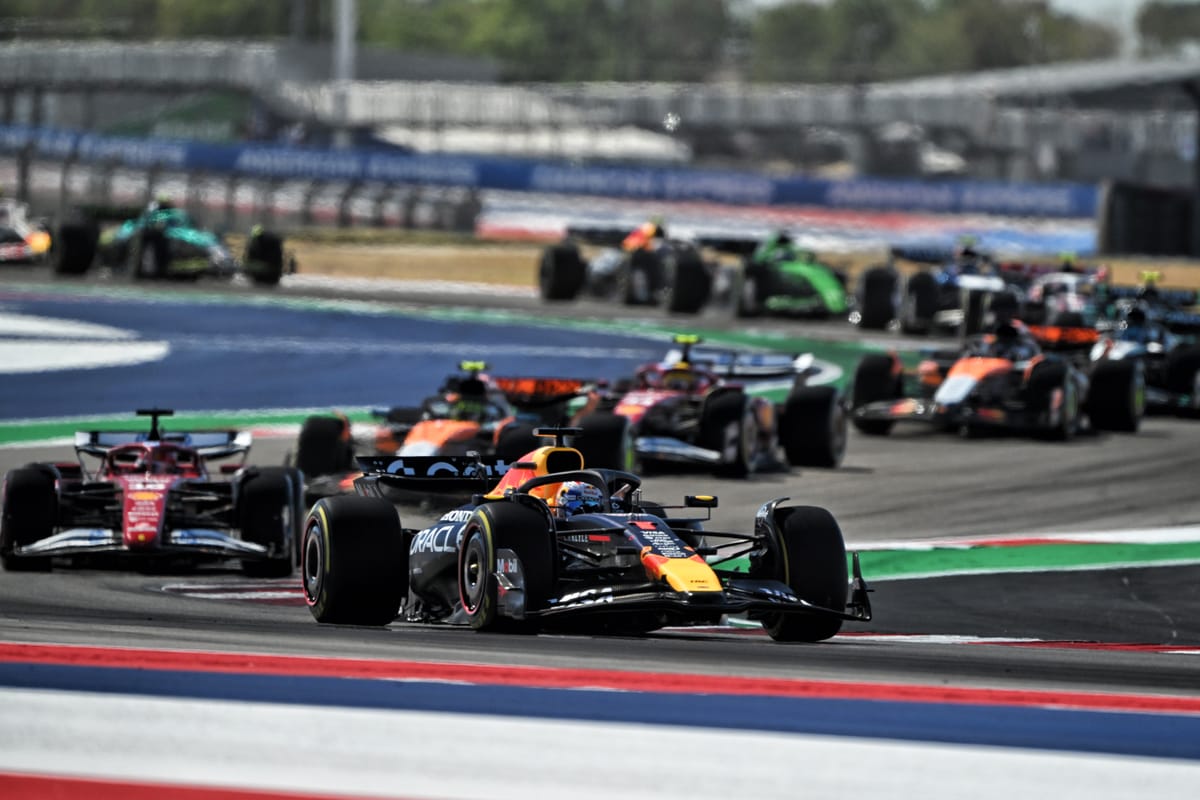
The drivers' championship table only tells part of the story in Formula 1. So every season, we create our own ranking of how well each driver did given their machinery.
This is not about rating how good we think the drivers are in terms of their overall ability, it simply reflects how they did across the 2025 season based on us being trackside and in the F1 paddock for every single race, qualifying and free practice session.
The criteria cover all aspects of a driver's game: speed in qualifying, race stint pace, number of mistakes, execution, consistency, all-round contribution to the team and much more. All of this is considered within the context of the quality of machinery.
Our ranking is a collective one, based on the judgement of our team in and around F1 across 2025.

Up 3
Just as in 2024, Doohan is ranked last primarily thanks to circumstances, with just six grands prix - and two sprints - in which to make an impression for Alpine.
There were genuine flashes of speed, but there were also too many mishaps - notably the crash on the first lap in the wet in Australia, his Suzuka Friday practice Turn 1 shunt, and several collisions.
With a longer stint in the car, he had the potential to score points and trouble team-mate Pierre Gasly.

Down 1
His late entry into the action after six races, a tricky and uncompetitive Alpine, and the long months where his future was uncertain made for a painfully tough season for Colapinto.
He failed to score any points and had a difficult time in his initial run of races after a needless shunt in Q1 on his first outing at Imola. But from the 14th race of the season in Hungary onwards he made good solid progress and sporadically compared well to team-mate Gasly on pace - although he ended the season with an average deficit of three tenths of a second.
However, after Colapinto's Brazil crash, his earlier troubles with combination braking/turning corner entries held him back. But this was at least a foundation built for 2026.

Down 8
How different might Tsunoda's season have been if he'd stayed at Racing Bulls, where he made a strong start, instead of being promoted to Red Bull?
Once alongside Max Verstappen at Red Bull, he struggled badly. There were sparks of form, but for much of the season he struggled to find a balance between qualifying and race pace.
Despite the moments where he looked to be getting somewhere, five times dipping under the three-tenths-deficit-to-Verstappen threshold in qualifying, the progress was never sustained.
Probably the key turning point was the Imola Q1 crash on his first lap having gained car-spec equivalence to Verstappen, which put Tsunoda on the back foot for a long time in terms of available upgrades.
His feeble return of 30 points compared to Verstappen's in their time together paints a grim picture.
Up 3
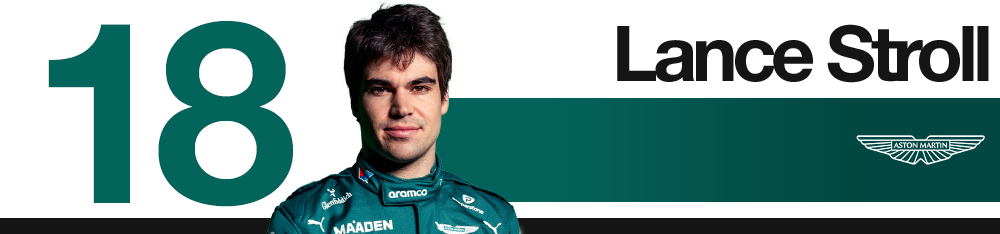
Stroll blamed the Aston Martin's lack of performance as the reason for his lack of results, but objectively he consistently failed to extract the maximum from it. As he said, if you don't have downforce, you don't do well, but he only outqualified team-mate Fernando Alonso once - in the China sprint - and was on average a quarter of a second off.
A fortuitous sixth place in the Australia season opener was the high point, but Stroll's season is best described as competent but unremarkable with too many occasions where he appeared to lose interest. He ended with just one point in the final nine events.

No change
Once Lawson re-established himself at Racing Bulls after his shock demotion from Red Bull Racing after just two events, he still only sporadically showed what he was capable of.
At his best, he put together strong weekends that if delivered more regularly would put him in the upper reaches of our ranking. Austria and Azerbaijan, where he bagged his two top-six finishes of the season, stand out. He was also impressive in Monaco, Hungary, Brazil and Austin.
The trouble was, his underlying pace was usually just off that of rookie team-mate Isack Hadjar, who had an average qualifying advantage of just over a tenth and a half, and there were too many errors and weekends where qualifying let Lawson down.
His form improved after mid-season changes to the suspension geometry to give him improved feel, which allowed him to hold onto the seat for 2026, where he must up his hit rate.
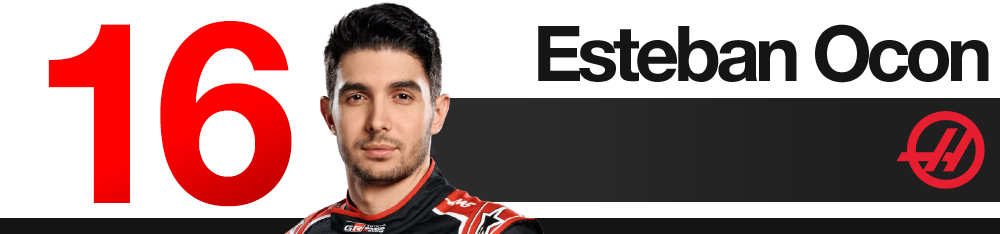
Down 2
Ocon delivered in a number of classy race drives during 2025, but fundamentally his struggles in qualifying compared to Haas team-mate Ollie Bearman made life difficult for him with an average deficit of 0.140 seconds.
There were times when Ocon complained about braking problems, which were down to his preferences and limitations rather than car issues.
Only in Abu Dhabi, where he suddenly put the car into Q3 for only the third time in 2025 after an overnight overhaul, did he feel this mystery problem had been eliminated.
He also couldn't tolerate the same level of rear instability as Bearman, meaning there were also times he had to back off the front wing which also cost front-end grip.
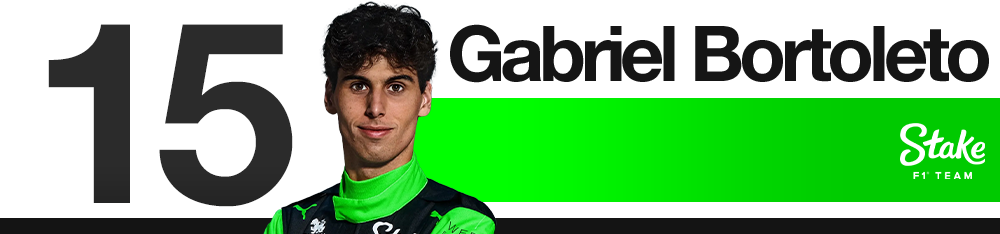
New entry
There was much to be impressed with from Bortoleto in 2025, and he's right to take pride in a strong rookie season.
He measured up well compared to Sauber team-mate Nico Hulkenberg when the Sauber was at its worst, then once the car improved with a series of floor updates Bortoleto bagged three points finishes in four events - including his high-water mark of sixth in Hungary.
At that point, he was tracking for a far higher ranking but after the August break he didn't kick on as hoped. There were only a couple of points finishes, eighth at Monza and 10th in Mexico, with painful errors at Interlagos and at the start in Las Vegas the lows.
It was a good rookie season and he has a bright future, but not quite the year it was once shaping up to be.
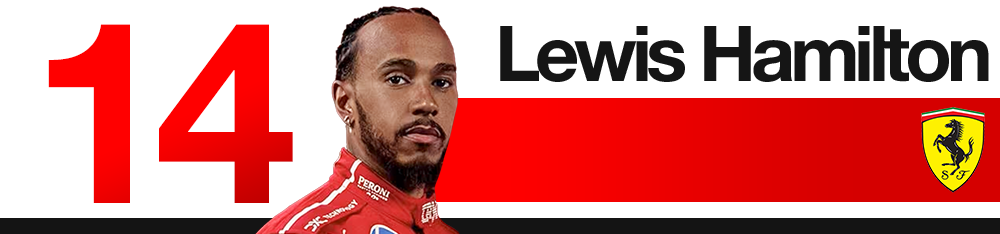
Down 5
This was unquestionably Hamilton's worst season in Formula 1. Even taking into account the challenge of adapting to a new team and Ferrari's wider struggles, it was well below the standards you'd expect from the seven-time world champion.
There were at least some highlights, notably his famous sprint-race win on his second race start for Ferrari in China. There were also stretches where his pace stacked up decently against the quicker Charles Leclerc, although on average, he was 3.6 places behind in qualifying across the season.
The season ended on a low with a run of dismal weekends where Hamilton's demeanour made it very clear he’d lost all hope for the season. After being eliminated in Q1 for the third time in succession in Abu Dhabi (the fourth if you include Qatar sprint qualifying), he admitted to feeling a lot of anger at the situation.
However, despite desperately needing to improve next season, he at least managed to produce enough clean and consistent race drives to amass a reasonable points tally, albeit only just under two-thirds of what Leclerc achieved. But being a solid backup driver isn't what Hamilton's here for.
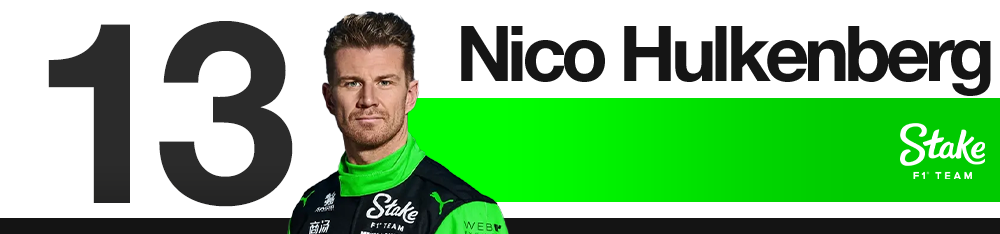
Down 3
Hulkenberg flipped the script on his reputation as a qualifying specialist by making Sundays his stronger suit for the majority of the season, until he got to grips with the car in qualifying trim late on.
He ended the year neck-and-neck with team-mate Bortoleto in terms of qualifying performance but was the more effective race driver overall - scoring 73% of Sauber's points.
The high point was his remarkable wet-weather podium at Silverstone but there was plenty of good supporting work as he bagged nine points finishes.
Hulkenberg wasn't the most consistent driver in 2025, and his qualifying struggles for much of the year meant that plenty of decent race drives yielded only lower-midfield results, but overall he spearheaded the Sauber team's much-needed return to credibility effectively.
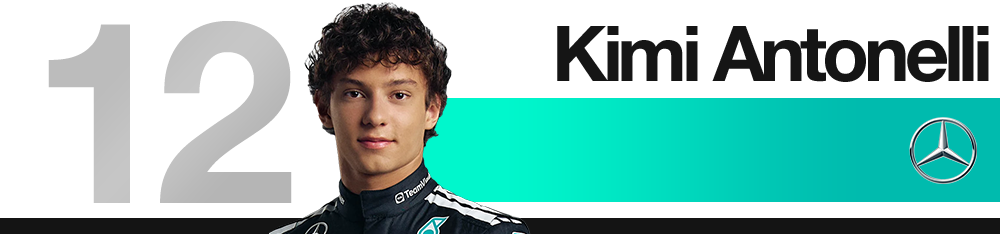
New entry
Antonelli's season ended strongly, which is what you always want to see from a rookie. However, overall, it was a patchy campaign in which it took him longer than expected to make an impact.
Although he took an early sprint race pole in Miami, it took longer for qualifying to click than expected.
The Mercedes misstep with the rear suspension upgrade introduced at Imola in May, which particularly hurt Antonelli's aggressive driving style, interrupted his progress mid season and led to a loss of confidence.
But after Mercedes binned the rear suspension update, he picked back up - particularly from the Azerbaijan Grand Prix in September onwards. Strong late-season performances at Interlagos, where he finished second after holding off the charging Max Verstappen, and Las Vegas, where he finished third after an almost race-long stint on hard tyres, demonstrated he'd got to the level expected - it just took a little longer than hoped.
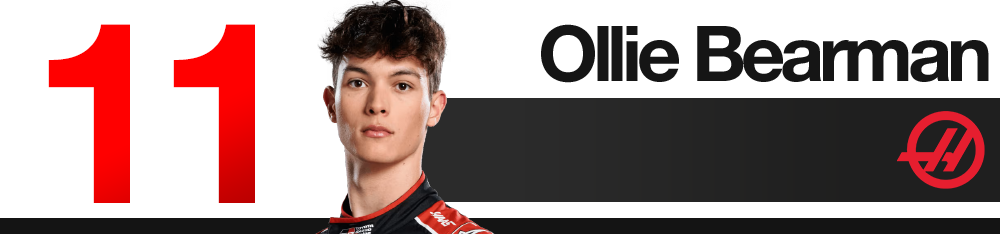
Up four
Bearman's searing speed was never in doubt, but the first half of the season was too often a story of that not translating into results. Sometimes that was down to external factors, but there were also mistakes - shunting in the Silverstone pitlane under red-flag conditions the worst of them.
However, Bearman's trajectory was impressive. He used the August break to re-evaluate and take a step forward in how he approached putting together race weekends, which paid dividends. It was that progression that marked him out.
Fourth place in Mexico was the high point, but the fact he scored points six times in the 10 races after the break showed how much more effective he became at translating that pace into points.
He also showed a high tolerance for rear-end instability, a key marker of a driver with a very high ceiling, and advanced his case for a Ferrari promotion somewhere down the line.
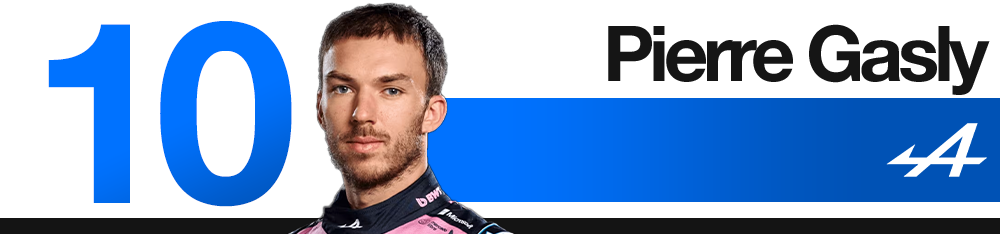
Down 2
Gasly toiled heroically with the recalcitrant Alpine during 2025, making the most of it when it was at its best, which wasn't often, and dragging it to flattering heights in qualifying when it was at its worst - reaching Q3 11 times.
Other than a spell in the autumn when he struggled, which he put down to an underperforming floor, he usually got the most out of limited machinery.
He only scored points seven times, with sixth at Silverstone on a weekend where he performed outstandingly well the highlight. For the most part, the races were hard work given the car's lack of long-run pace.
That Doohan and Colapinto failed to score a point in the second Alpine highlights how good a job Gasly did in 2025's worst car.

Up 3
Albon's season was badly lopsided, with the final third of the year yielding a paltry three points and Williams team-mate Carlos Sainz in the ascendancy.
However, we can't let recency bias distort the picture of what was overall still a good season and a glance at The Race's driver rankings across the year reveals how strong Albon was for much of the year before the alarming decline.
His haul of seven points finishes in the first eight grands prix formed the bedrock of Williams's successful bid for fifth in the constructors' championship. And overall, he contributed 53% of Williams's points.
The big question is whether his troubles in the back end of the year were just a blip or a reflection of a centre-of-gravity shift towards Sainz in the team.
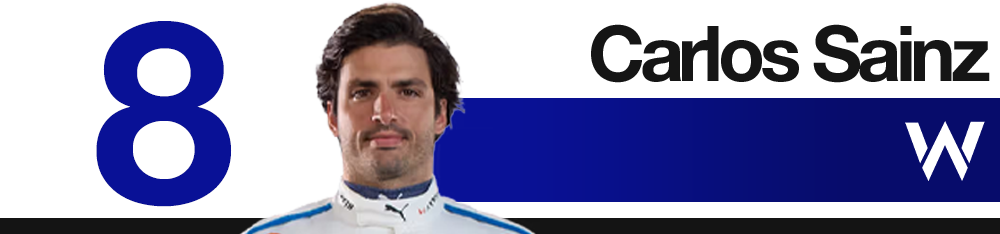
Down 4
Sainz's best work in 2025 was outstanding and his consistency improved as the year progressed. While it didn't take him long to adapt to the Williams and deliver good pace, by his own admission he did take time to reacclimatise to life in F1's midfield, and there were numerous weekends where his underlying pace was strong but the results didn't come.
The podiums in Azerbaijan and Qatar were the obvious highlights, and overall the final third of the season showcased his best work. But for the patchy first half of the year, where he hit plenty of bad luck but also often didn't quite execute weekends as he should have done, he'd have been ranked significantly higher.
By the end of the season, there were signs he'd asserted himself over Albon.
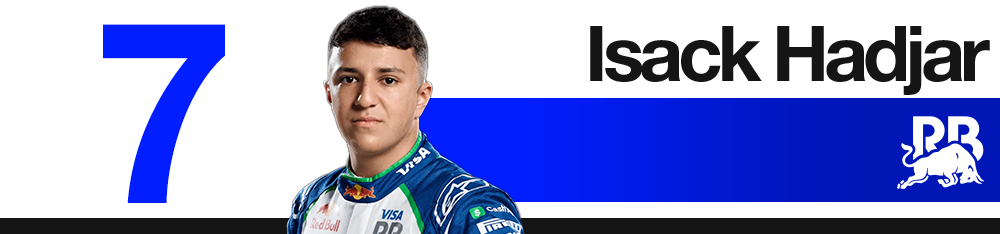
New entry
Hadjar's rookie season started catastrophically with a formation-lap crash in Australia, but overall couldn't have gone much better. He ended the year as the top rookie with promotion to Red Bull Racing for 2026 sealed.
His third place at Zandvoort and points-scoring record were impressive, but probably the most eye-catching aspect of the year was his consistency in qualifying. He was only eliminated twice in Q1, with only the top five in the championship eclipsing that hit rate.
He comfortably outperformed team-mate Lawson, only being beaten by him six times in 27 attempts and outscoring him 51 points to 38 even after having more than his fair share of bad luck in races.
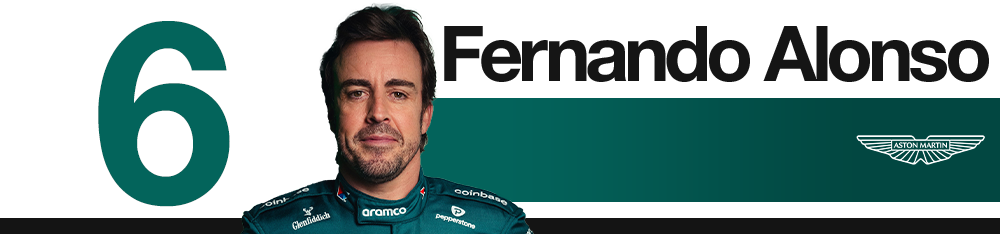
No change
Despite turning 44, Alonso continued to be Aston Martin's foundation. Although it took him until the ninth weekend of the season to score, misfortune played a part in that. Monaco, where an ERS problem cost him a good result, is totemic of that.
However, once he started scoring he proved adept at making the most of the Aston Martin on its competitive weekends - particularly after the first major upgrade was introduced at Imola in May.
He wasn't error-free, notably spinning away places in the Qatar GP, but if age has in any way dulled his edge it's not by much.

Up 2
Judged on the first two-thirds of the season, when he was solidly on course for the world championship, Piastri would be ranked higher.
However, the disastrous Baku weekend, when he crashed in both qualifying and the race - later admitting to pushing too hard - proved a turning point. Subsequent struggles at low-grip tracks, as well as shunts in consecutive sprint races in the US and Brazil, meant he lost the championship lead and ultimately couldn't quite get it back.
However alarming as the final third of his season was, it doesn't change how impressive he was before that. His tally of seven grand prix wins would have been higher but for missed opportunities such as Silverstone, where he was penalised for safety-car restart shenanigans, Hungary, where he would have won but for the less-favoured strategy letting team-mate Lando Norris defeat him, and Qatar, where the pitwall cost him certain victory.
This was still a good season for Piastri, but his drop-off late in the year stopped it being great.

Down 1
The new world champion's season is a fascinating example of how knee-jerk reactions to each race can only tell you so much before the full picture has materialised.
Judged on the first third of the year, for example, Norris would likely be further down this ranking. Judged on the final third, he'd have a stronger case of being right at the top.
But judged on the whole? It's a season of progress, of incredible peaks and searing speed, and some underlying weaknesses that still need to be addressed.
There were too many self-described "embarrassments" early on when Norris was his own worst enemy, so, in judging his overall season, it was far from perfect.
It was good enough to be world champion, though. And it's very impressive how he learned from his struggles, adapted his driving on-track and his approach off it, and kept the mistakes to a minimum as the season progressed - especially when it counted most.
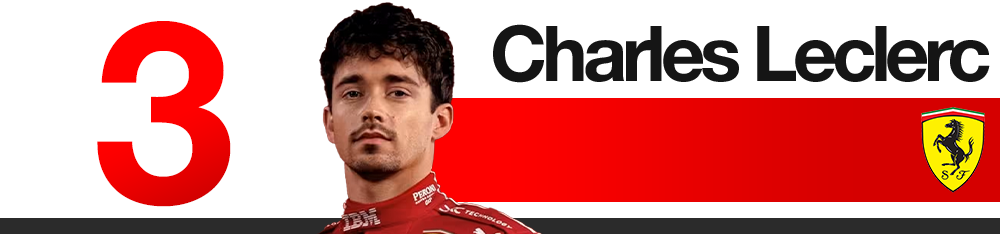
Down 1
Leclerc went into 2025 hoping finally to get the championship shot he craves, but instead it turned into a season spent heroically battling to give Ferrari respectability.
Leclerc's performances were, aside from in wet conditions where Ferrari has long struggled badly with tyres, generally outstanding. He bagged seven podium finishes, scored consistently well, and was rarely seriously threatened by new team-mate Hamilton.
What he lacked was the opportunity to regularly test himself right at the sharp end given the Ferrari was so rarely even on the periphery of the victory fight.
Perhaps most impressively, he hauled the Ferrari onto the front row of the grid five times - which was far more than it deserved. In fact, a driver of Leclerc's class was more than Ferrari deserved in 2025.

Up 3
Russell was the only driver who made fewer significant errors than Verstappen in 2025 as he put together his most impressive F1 season so far.
Victories in Canada and Singapore were the highlights, but he also produced a strong broader body of work that ensured he was in a class of his own as the heaviest points-scorer outside of McLaren and Verstappen.
As you'd expect, he mostly had a clear advantage over rookie team-mate Antonelli. But what really stood out is that even Russell's worst weekends - Monaco where he failed to score, Silverstone where an overly-bold gamble on slicks ruined his race, and Brazil where he was comprehensively outperformed by Antonelli - were still perfectly respectable. And the majority of weekends were strong.
There's no doubt he's ready to fight for the championship. He just needs the car.

No change
When Verstappen claimed in Qatar that he'd have long since wrapped up the title were he in a McLaren, it was difficult to argue with him. He's our unanimous choice as the number one driver of 2025.
He points to his loss of control in the Spanish GP - hitting Russell’s Mercedes and earning a penalty that turned fifth on the road into 10th - as the one point of criticism.
There were other blemishes, such as spinning at the restart in the British GP, the off in Qatar sprint qualifying, and an underwhelming Hungary weekend for the whole team, but no driver extracted the potential of their machinery anything like as consistently as Verstappen did in terms of combining razor-sharp pace with execution.
That kept him in the title hunt all the way to Abu Dhabi, which was an outstanding overachievement in the tricky and erratic Red Bull.