Bizarre Bahrain test in the wet for 2026 F1 cars revealed
Pirelli is working on bold plans to run a wet tyre Formula 1 test in Bahrain later this month.
As part of an effort to improve its rain tyres, F1’s official tyre supplier has been evaluating how it can conduct a wet test at a venue that is suitable.
Although venues like Fiorano, Paul Ricard or Magny-Cours have the ability to soak the circuits, none of those offer the high degradation characteristics that Pirelli ideally needs.
So instead, after an initially "strange request" to the Bahrain organisers about them potentially finding a way to soak their track, plans for a test at the venue in the middle of the Sakhir desert are gathering momentum.
Pirelli’s motorsport director Mario Isola revealed: “They have a fantastic idea with sprinklers and some other devices.
“I have to say that Bahrain people are always very cooperative when we ask for strange requests.
“I gave a call to the guys here [in Bahrain] and I said, ‘what if we plan a wet test in Bahrain?’.
"They said 'yes, of course we can'.
“I asked ‘Are you sure? Let us think about it. But we need consistency in the water level because clearly the risk is that inconsistency in water level is more important than the difference in prototypes’.
“But they were clear. ‘Yeah, understood, we will consider to prepare the track and everything'."
Bahrain bosses think their sprinkler system will work in keeping the track at a consistently wet level for the test.
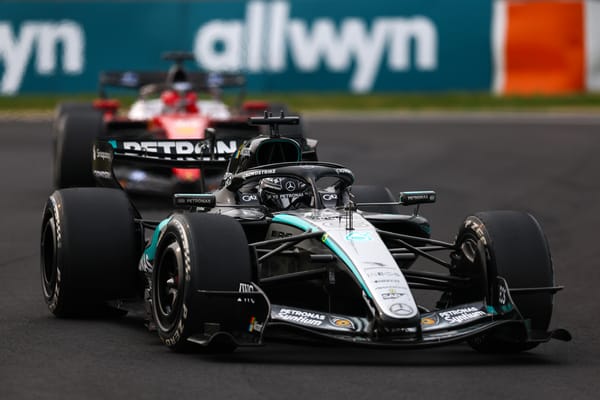
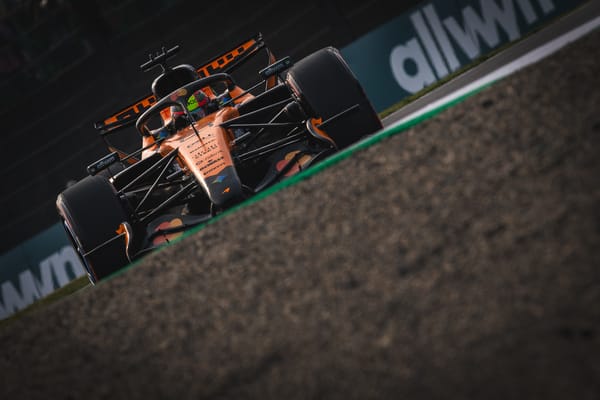
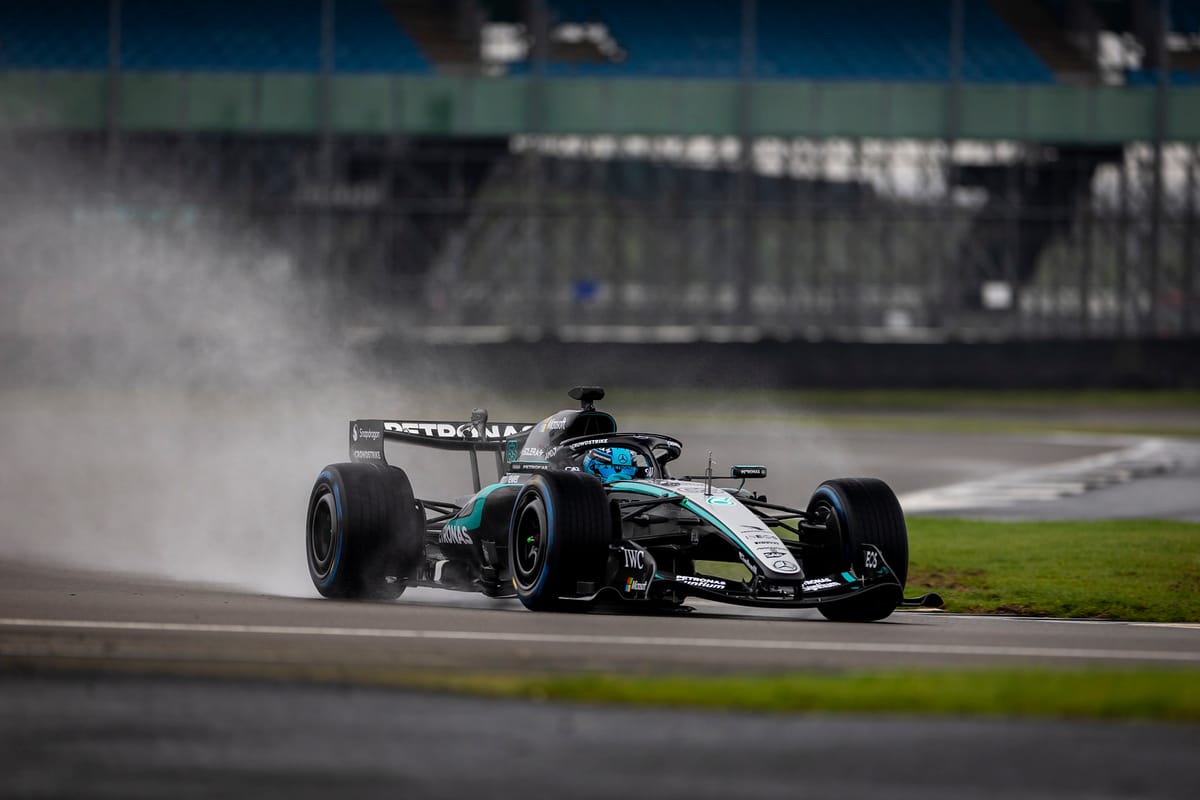
The idea is to run with McLaren and Mercedes 2026 mule cars on February 28-March 1, which is the weekend before the season opener in Australia.
Isola added: “We will have an opportunity to test on a high severity circuit in wet conditions.
“This is something that doesn't happen very often. So we have this opportunity and we want to use it in the best possible way.”
Pirelli anticipates that the test will run from the afternoon into the evening, which will allow for changeable temperatures as well.
One of Pirelli's key targets for this year is to make the wet compound more suitable for rain races, as previously it was only suitable in very extreme conditions where track running was often stopped on safety grounds anyway.
“What we have tried to do is to reduce the crossover time between the wet and intermediate in order to make the wet tyre more usable," added Isola.
“The point is that if you are in a race condition and the expectation is for the track to dry, they will put on an intermediate because they want to minimise the number of pitstops.”