Audi's first real F1 success explained
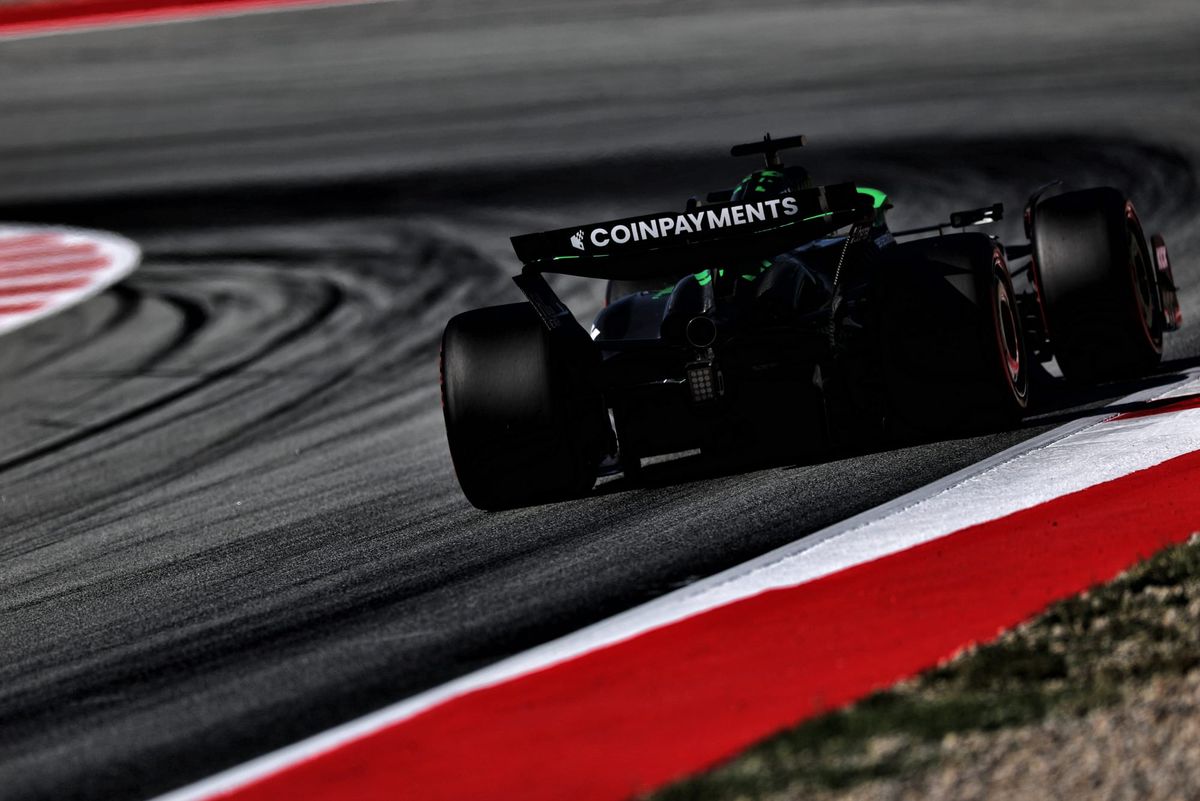
Audi heads into its first official Formula 1 season with its credibility significantly boosted by on-track progress made last year thanks to what technical director James Key calls a "special forces" aerodynamic team that dramatically improved the competitiveness of its 2025 car.
The term applies to a small group of "about 10" aerodynamicists charged with improving the troublesome Sauber C45 after its difficult start. Their successful work turned the car into a genuine contender in F1's ultra-competitive midfield. That's significant because it's a consequence of the increasing depth of understanding and fine-tuning of development tools at a team that is playing catch-up after the long post-BMW years of underinvestment.
The expectation heading into 2025 was that the late-season improvements to Sauber's 2024 car, which represented a shift in concept to run lower and stiffer, confirmed it was heading in the right direction. There were further refinements, including to the front suspension after the switch to the pullrod configuration in 2024 and the aerodynamics, but it was an evolution that should have consolidated that progress.
Although the car that ran in pre-season testing in Bahrain last year was always going to be augmented by an aerodynamic upgrade for the Australian season opener, serious problems quickly became clear - just as had been the case in early 2024 when correlation problems emerged.
"Unfortunately, we hit the track and the car didn't do anything like what it did in the simulator, or expected from the data," Key tells The Race. "It was, 'How have we done this again?'
"It was a bit of a failure of process, but for different reasons this time and showed us that we were not particularly robust. There were correlation issues again.
"But with great credit to the team, we identified what we really wanted. You could write a book on this because of the number of meetings, the head-scratching and table-banging for all of us, was immensely frustrating. But we just pulled together.
"What I thought was really positive is we had a young group of excellent aerodynamicists and said, 'Right, the '26 car is the big push for the vast majority but you're going to be special forces on the '25 car'. It's about 10 young aerodynamicists, very talented ones, and we set them that challenge.
"Rather than getting nervous and stressed, they viewed it as a challenge that 'we want to get a podium, we're going to do this'. The attitude and team spirit, which saw us through to getting it fixed, were a big part of it. It was a great advert for everyone of what belief and persistence can bring a team."
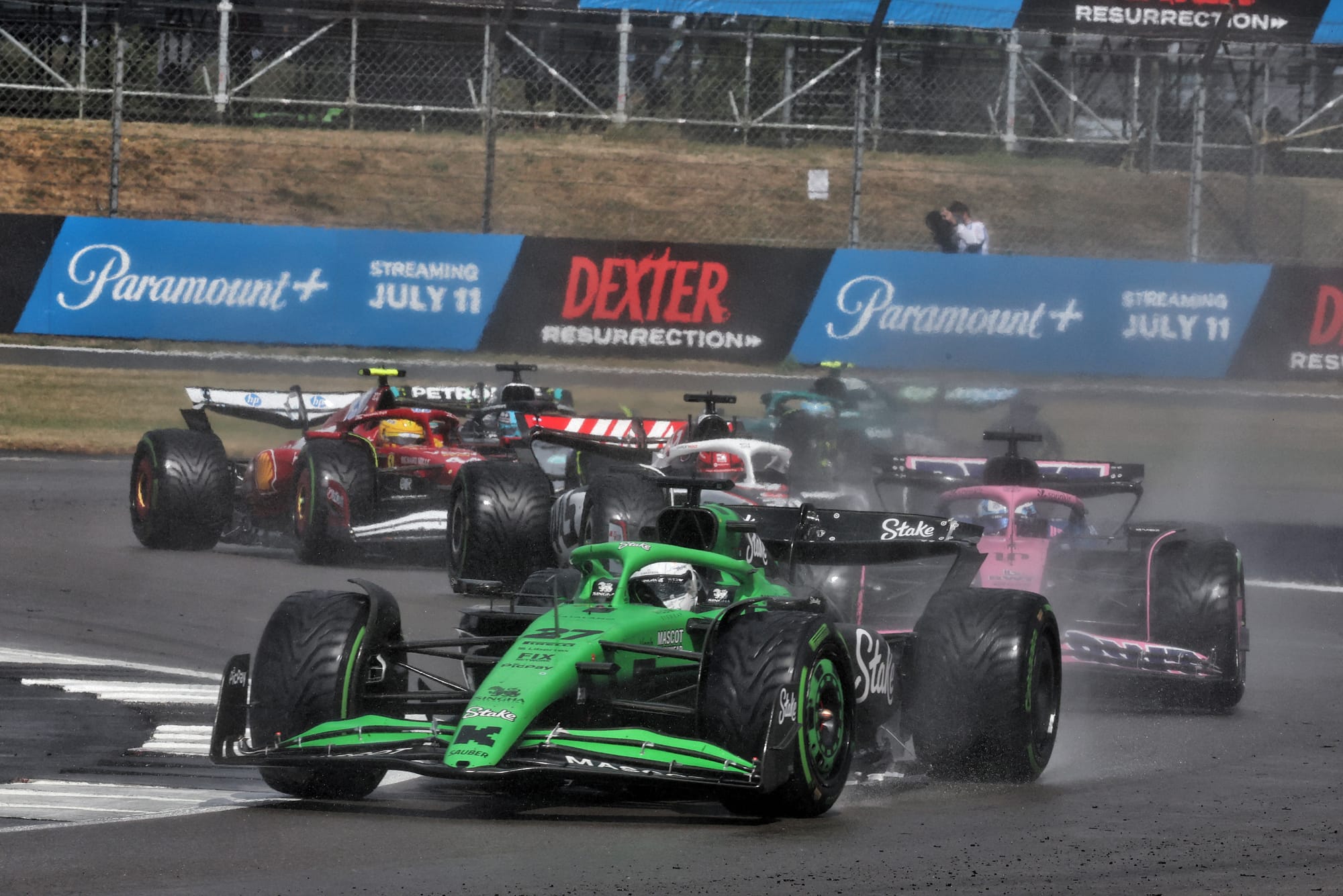
It also required enormous expertise. A triptych of floor upgrades introduced across the Spanish, Austrian and British Grands Prix mid-season led to a big improvement. These not only increased downforce, but crucially made the car more aerodynamically robust, less prone to airflow stalls and vortex bursts, and therefore more consistent and easier to drive. That turned it into a capable midfielder, with Nico Hulkenberg taking his famous podium at Silverstone.
This was impressive because it required working in the margins of the fine details. The complexities and instabilities of the underfloor aero and the countless high-energy and interacting vortices are enormous - with ambient conditions, imperfections in the surface, bumps and countless other factors all creating difficulties. To make the gains Sauber did, it was necessary to get into the weeds of that detail.
"Fundamentally, it was flow physics and what works and doesn't," says Key, who took over as technical director in September 2023. "One thing we were weak on when I arrived is what I call 'aero robustness', the delivery of something which really does work. We didn't have anything like enough criteria to tell us that because some things correlate in a windtunnel but there's so many aspects to this topic.
"It's how you use your tools, it's how they correlate, it's many other things, the assumptions you make, and all of that was a little bit weak, some of it out of date. That's probably what we learned most from that and it's contributed since.
"What was very positive is once we'd recognised the right thing to do for Barcelona, it got followed up very quickly. So two races later, we had the next step, and then we had another step. So it very quickly proliferated."
That development progress then stopped, the team having turned the car into a consistent points threat, given the need to maximise focus on 2026. But had Sauber not made those gains, there would be far bigger doubts over Audi's potential for the coming seasons. It's unmistakable evidence that this team is making improvements.
Key claims Sauber had plenty of ideas to improve the car further that it never had the chance to implement, both with the 2025 car and with a whole new car had the rules been stable. That illustrates genuine gains made with its development tools and aerodynamic understanding. The rules may have changed completely, but that grasp of the underlying science underpins the 2026 project.
Add to that growing staff numbers, the opening of a technical centre in the UK last summer, and investment to improve facilities in its Hinwil factory in Switzerland, and it's clear Sauber is catching up after the years of enforced underspending compared to leading rivals.
These developmental gains, combined with the increased sharpness of the team in terms of execution trackside, represent a vast improvement over where Sauber was in 2023 and 2024.
"They are two good examples," Audi F1 project boss Mattia Binotto told The Race. "Once it [the team] has more energy and you are achieving good results, you get more and more confidence.
"The race team at the track [under] Jonathan [Wheatley, team principal] have brought a lot of confidence and that's very important. And back at the factory, we are a very young team so I would say I'm proud to see young engineers being curious, being brave, being willing to learn, to push forward for the goal. It's great."
The "special forces" success is a revealing vignette. It's not in itself repeatable, but it's symptomatic of a team that, particularly under Binotto, has built genuine forward momentum and at least demonstrated it is capable of traversing the steep upward slope it is aiming to climb to the front in F1. The coming year will still be a tough one, but the vibrancy that manifested itself on and off track last year stands it in good stead in its ambition to fight for the world championship in 2030.
That's an ambitious aim today, but just 12 months ago it would have seemed a ludicrous one. And that's the definition of progress.