11 things we learned from F1's first 2026 test
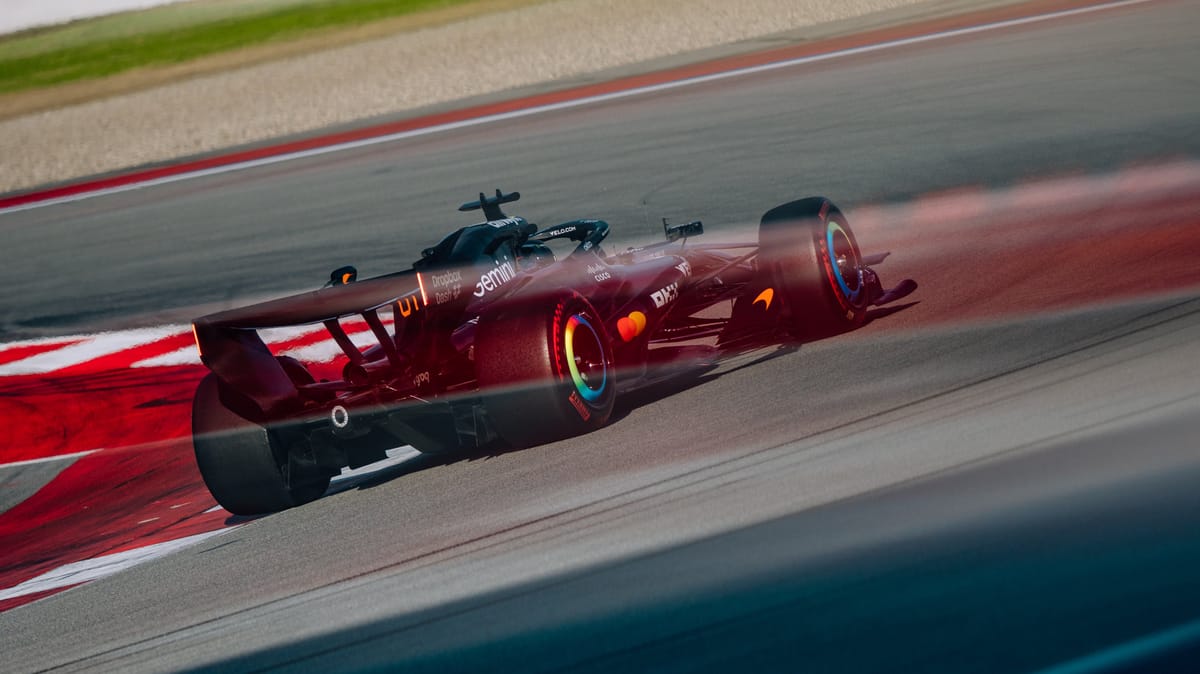
Formula 1’s first test of 2026 has ended and despite it being closed off we learned an awful lot about a brand new era of cars and engines.
Testing's sleeper hit
Ferrari was the sleeper hit of this test – starting off quietly, and very productive, if not earning rave reviews like a certain other team, before jumping to the top of the times right at the end of the week.
Even before Lewis Hamilton’s late surge, this was shaping up to be a strong week for Ferrari. As strong as we can judge with so many testing caveats of course.
Charles Leclerc had also got closer to Mercedes’ benchmark on the final before handing the car over, so the SF-26 looks reasonably brisk.
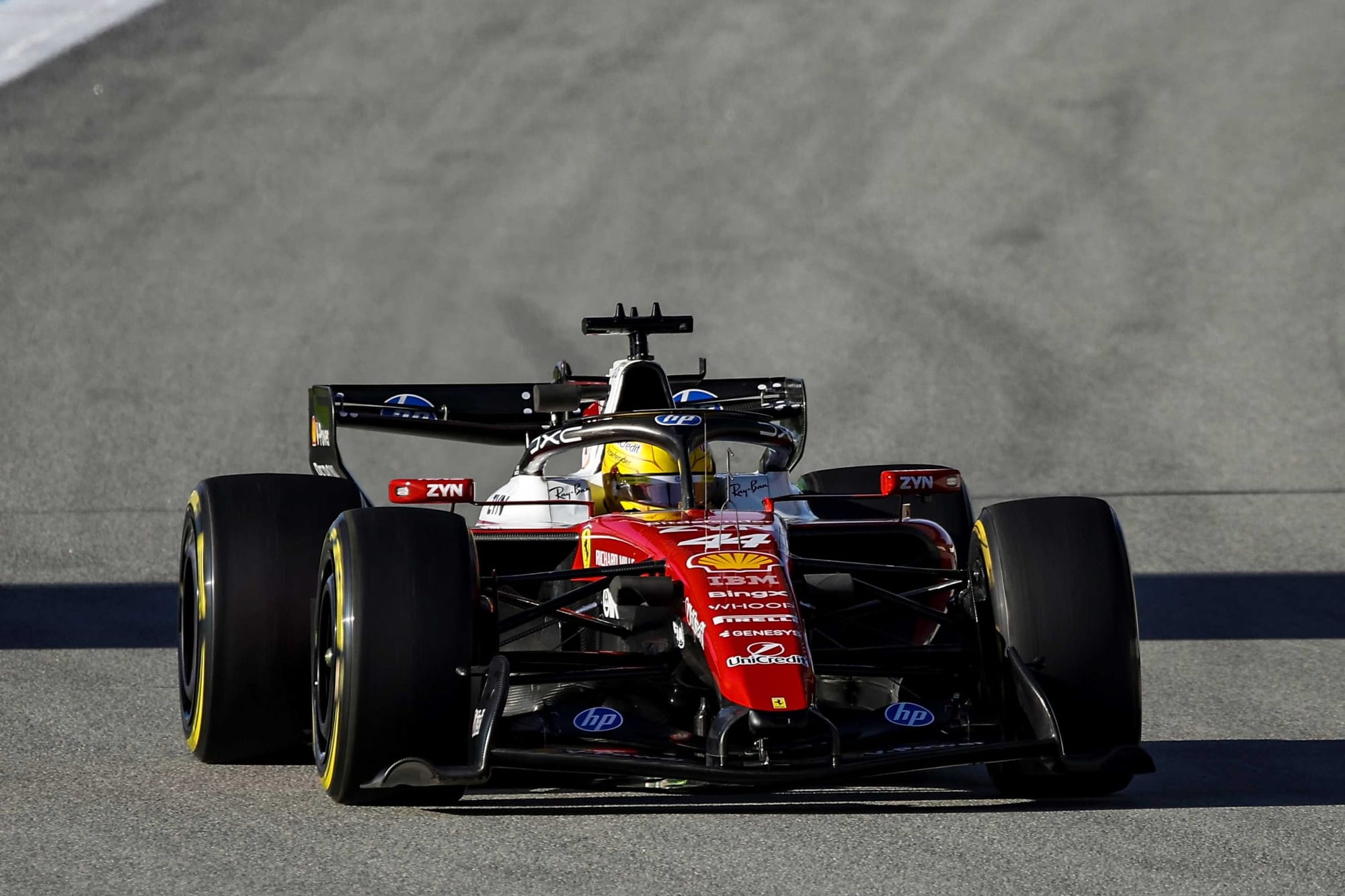
But the team’s also clearly well prepared, as when you factor in that its first day on-track was limited somewhat by awful weather conditions, clearing 2000km is even more impressive.
As Ferrari team principal Fred Vasseur said: “It's really early stages and most important is to be able to complete laps.”
As well as already enjoying these cars, Hamilton reckons this pre-season has already started better than 2025. Given Ferrari considers this its ‘Spec-A’ car, with much development to come, that’s a good place to be.
Mercedes the real benchmark
Mercedes still feels like the real early benchmark though, given it didn’t run on the final day when track conditions were likely at their best.
By its own admission Mercedes could not have hoped for a better first week of testing, and set an unmatchable early standard in terms of mileage. Mercedes’ own humblebrag pointed out that it lost more time because other cars were stopping on track than through its own issues!
It was also effortlessly quick, and feedback on the cars' traits in the real world versus simulation has been tentatively positive - the car feels better than it did on the simulator, and the drivers are happy with initial engine driveability even with greater electric power and no MGU-H.
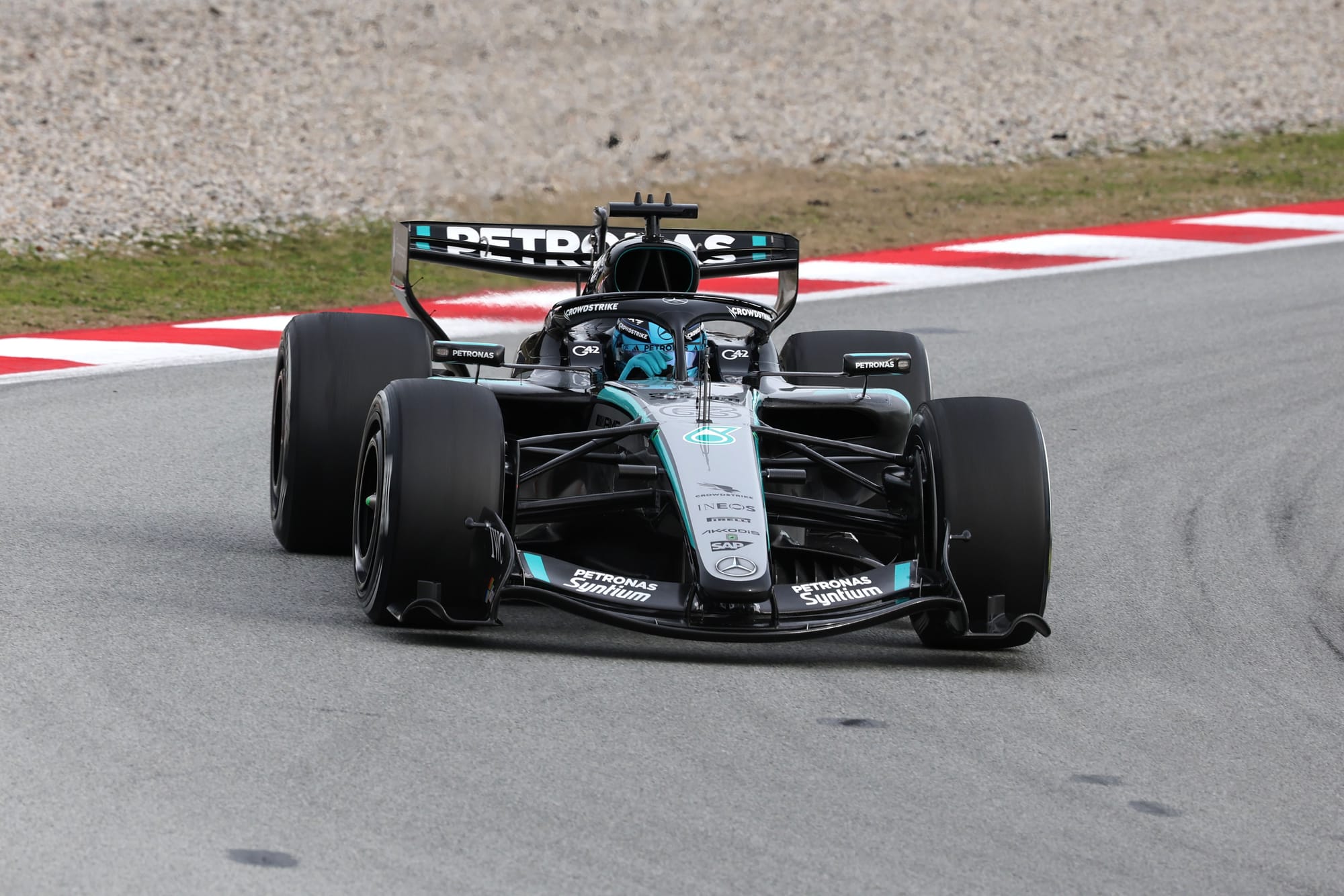
Mercedes also looks a step ahead of its customer teams too, making full use of its works status with understanding the demands of these brand new engines.
You might remember Mercedes had a great first test with the new 2022 cars too, which was obviously no indication of what it would actually go on to achieve.
But if nothing else Mercedes was better prepared than any team for the start of testing and is now ready to take the next step in Bahrain.
Red Bull engine surprises
The work of Red Bull’s new in-house engine division has not gone unnoticed at Mercedes with George Russell name-checking it on the opening day and then indirectly referring to the engine again on Thursday.
He said it was impressive, and quite surprising, to see what the new manufacturers have been capable of. And unless Russell’s got a completely different view of Audi’s running to everyone else that can only mean Red Bull-Ford Powertrains.
Russell was right to say that the first test for Red Bull’s engine had gone much better than expected because “a lot of people anticipated the new suppliers to struggle”.
Beyond some minor niggles, which everyone had, things ran very well in both the Red Bull and Racing Bulls camps - with a really healthy number of laps compared to the established manufacturers considering this is just a two-team programme.
Engine mileage
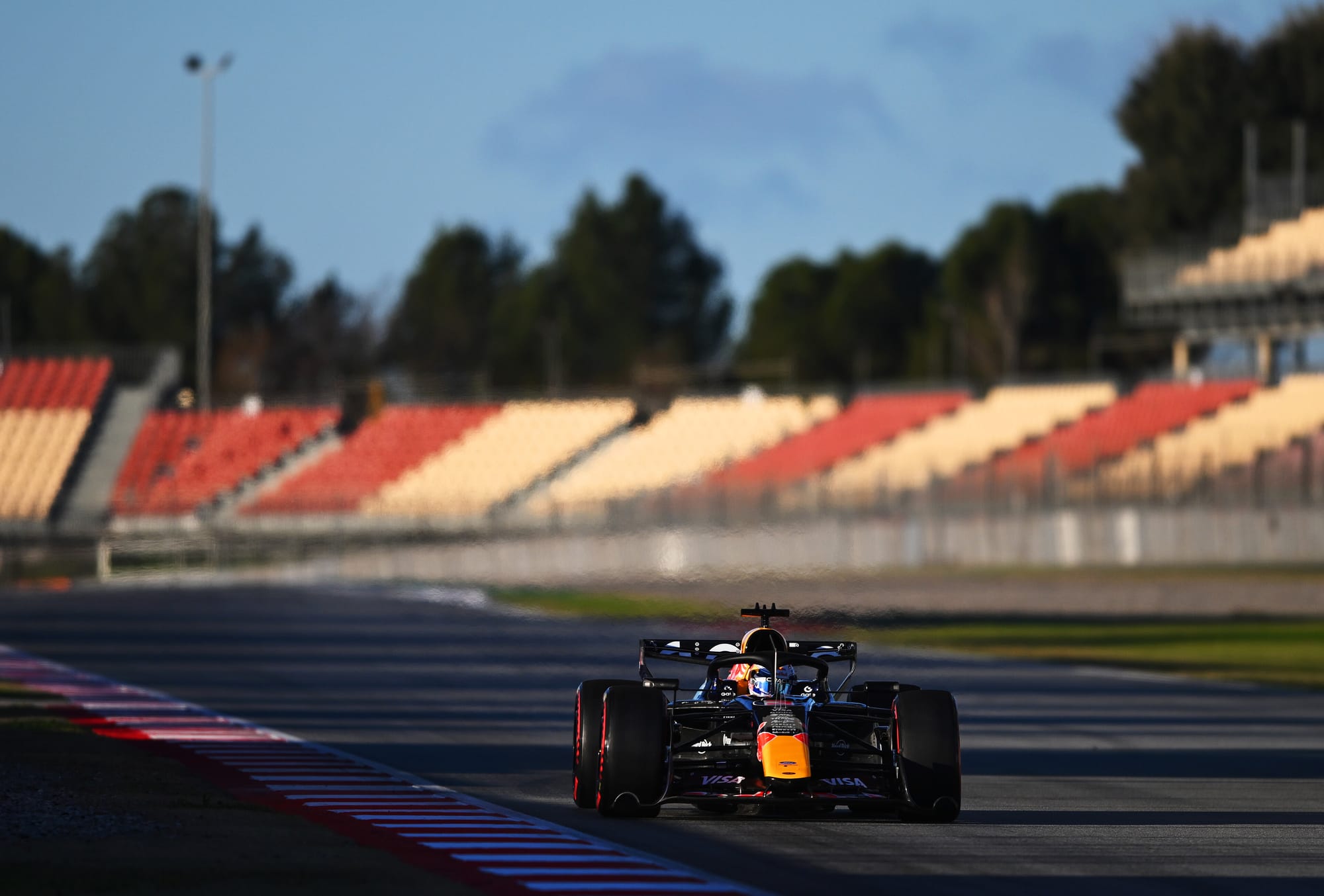
Max Verstappen said Red Bull had “hit the ground running quite well” with the engine and Racing Bulls chief technical officer Tim Goss lauded the driveability in particular, calling it “fantastic.”
But, of course, we need to wait to see its ultimate performance.
Own goals for F1
One of the biggest discussion points among fans about the week was not the cars but the aggressive security lockdown and sometimes laughable sugar-coating of events by the official F1 channels when it came to coverage.
With F1’s teams having come together to arrange their own closed test, the initial plan had been for a complete information blackout with media and creators banned.
In the end, compromises ensured some limited official F1 coverage – which some teams did not like and left some fans baffled.
- Want the inside track on F1 2026 pre-season? Sign up to The Race Members' Club, where you can get exclusive insights, bonus podcasts and much more. Now's the perfect time to join via a free 7-day trial.
With photos and video being put out, it was not a good look for F1 to then have security and the police threatening spectators and media with fines for watching from the hills overlooking the track.
And it wasn’t missed that F1’s own official reporting and highlights from the event went full-on propaganda and seemed to ignore any mention of red flags.
For example, there was widespread mocking of Isack Hadjar’s big crash being referred to by F1 as a ‘small off’.
The secrecy and spin was all so needless, considering those on the ground were getting information out anyway – and the cars ran so well.
Even teams that caused red flags, like Alpine and Haas, were able to rebound with monster final days completing 164 and 190 laps respectively!
What the drivers revealed about new cars/engines
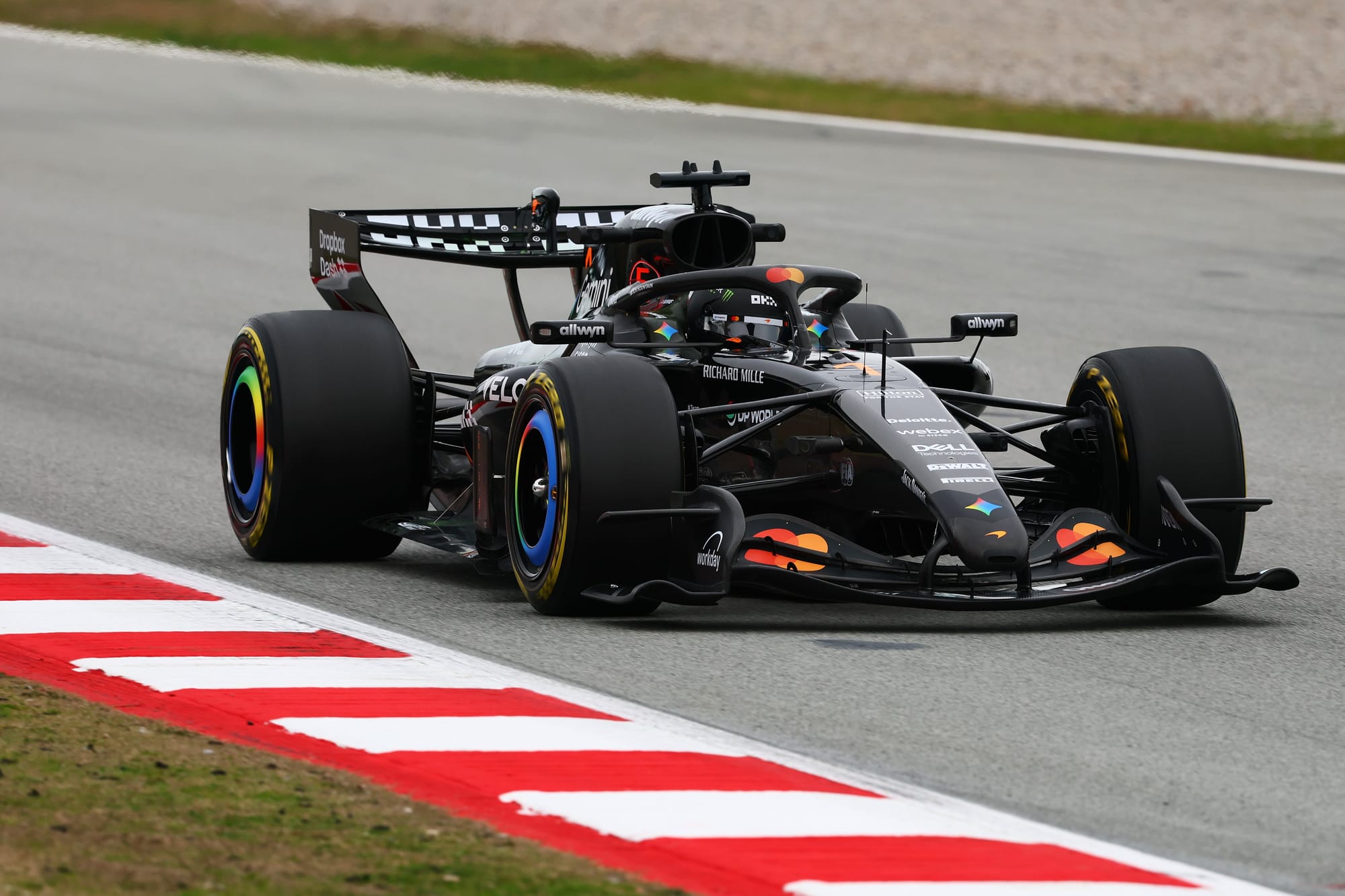
Drivers had plenty of prior experience of these cars in the digital domain through simulator running, but it’s only now that they’ve been able to experience this for real.
The nature of the private test and how information was carefully allowed out of it means that inevitably the messaging was positive, but we’ve learned plenty about these new cars.
As world champion Lando Norris says, the cornering speed is down thanks to the reduced downforce, which means the cars visibly scrabble for grip in the corners, but the straightline speed and acceleration catches the attention. Mercedes driver Russell even suggested after watching from trackside that during this test the cars were travelling faster than he’s ever seen on the main straight at Barcelona.
And despite concerns about the extent to which drivers might not be able to express themselves behind the wheel, Liam Lawson reckons there’s plenty of opportunity for drivers to make a difference.
The cars were also a challenge in the wet, as Hadjar discovered to his and Red Bull’s cost when he spun at the final corner on the second day of running and backed into the wall.
Problems for 2025 pacesetters
This was a middling test overall for last year’s pacesetters McLaren and Red Bull, as each team had setbacks to recover from in the middle of their programmes.
Red Bull ran on the first two days of the test immediately with its new car and in-house engine, which all seemed to be going pretty smoothly until Hadjar backed the car into the barriers.
The damage was such that the Red Bull didn’t reappear for its final permitted day on-track until Friday, after spares were flown out from its Milton Keynes base.
No major track time was lost, at least, and Verstappen got a nice full day in the car on Friday, completing 118 laps – though the four-time world champion will hope there’s plenty being held back given he was just over a second off the pace.
Team mileage
And it was simply not as productive a test as other big teams managed, which also goes for McLaren.
Slow to get going on its first morning of track running, McLaren then lost even more time on the MCL40’s second day because of a fuel system issue. Neil Houldey, McLaren technical director (engineering), described it as “small, niggly, little issues [that] cost quite a bit of downtime.”
Friday was smoother, with its drivers getting a good amount of track time with 162 laps combined. That brought its total up to just about average but not as much over the week as McLaren had intended.
New Aston Martin's the wildcard
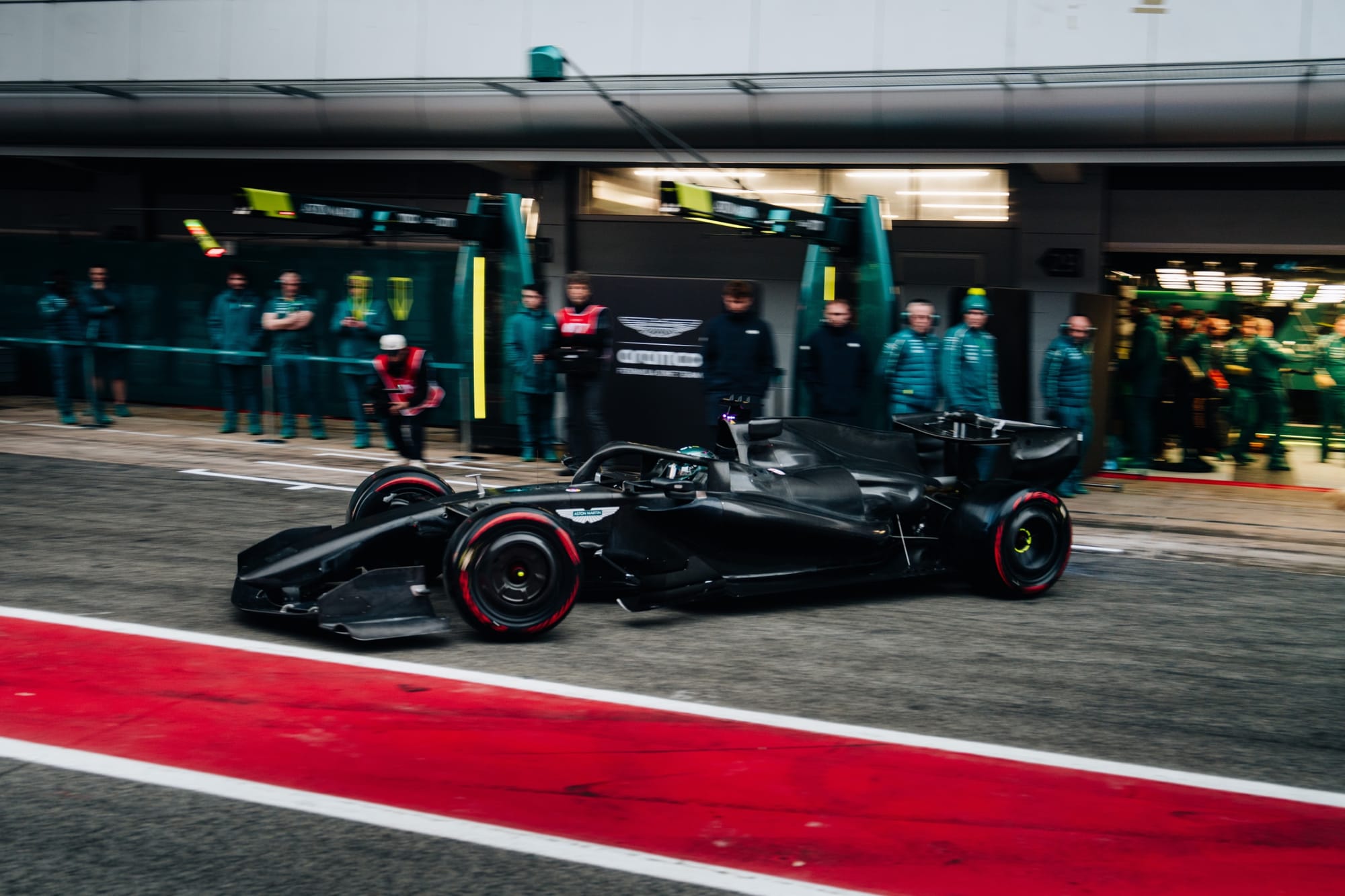
Aston Martin made us wait, and wait, and wait some more to see its first Adrian Newey design – but it was well worth it.
Visually different with some fundamentally different architecture and interesting aerodynamic choices, the AMR26 is definitely the wildcard in the pack.
Who knows if it’s actually any good, because the extremely late arrival meant the car didn’t run long enough or quickly enough to judge how well those novel solutions work in reality or what kind of state new engine partner Honda is in.
Gary Anderson's in-depth analysis of 2026 Aston Martin F1 car
Video: Aston Martin's aggressive car explained
Why new Aston Martin F1 car debuted with blue warning light
We believe the car is overweight, by quite a reasonable amount, so even by testing standards this could be the car currently furthest from its ultimate potential.
That just makes it all the better that we actually got sight of it after what Fernando Alonso called a “very, very intense” couple of weeks trying to get it ready.
Audi has a long to-do list
Audi’s first F1 car and engine were signed off in a preliminary form to be able to run an early shakedown and rack up mileage here.
The final version of both should be more advanced but that initial caution wasn’t really rewarded with a stunningly productive test.
Audi had costly problems on all three days it ran, causing two red flags and spending a chunk of Friday morning in the garage again.
A very good recovery on the final day, after the slow start, meant it managed 60% of its weekly running on Friday! But it still ended up one of the worst teams in terms of on-track productivity.
That’s why project leader Mattia Binotto, formerly of Ferrari, says the list of things to do after this test is the longest he’s ever seen!
Cadillac's deceptive deficit
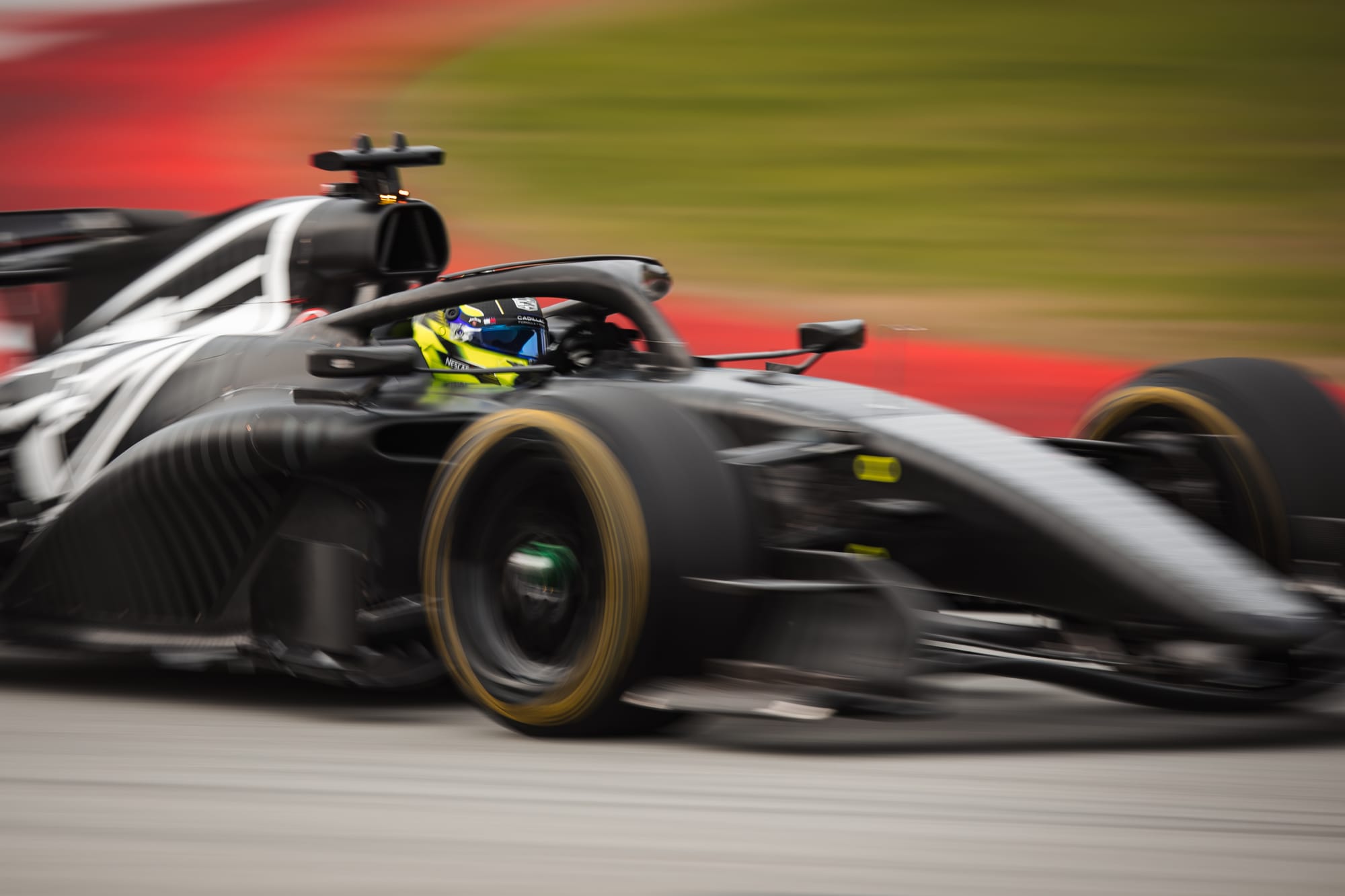
Cadillac made a stuttering start to the test, managing just 44 laps on the first day with Sergio Perez’s afternoon running plagued by issues.
This was all part of what Valtteri Bottas described as “the problem-solving phase” for F1’s newest team.
Plenty was learned on the first day of running and the team spent Tuesday and Wednesday focused on off-track work before returning to action, and Perez said that they were even starting to get into set-up work.
But as well as limited running, it’s no surprise that Cadillac’s headline pace was nowhere.
Expectations should be set low for 2026 but there’s no doubt the car will show more pace in the next test in Bahrain as the team with vastly more to do than any of its rivals works through its programme.
That’s why team boss Graeme Lowdon said he’s still “really happy” with a test Cadillac ended 4.6seconds off the pace and bottom on mileage out of the teams that completed their full three-day allocation of testing.
How new cars look and sound
While the security did its best to keep non-team personnel as far away from the track as possible, that did not stop many still being able to get a close look at the cars.
Early impressions from those inside, from teams and even drivers, and outside the circuit are that the 2026 challengers look better than their predecessor both aesthetically and on track.
They are a bit punchier coming out of corners too, with frequent wheelspin on display.
One thing that did stand out from those able to get a peek of the cars on the run to Turn 1 was how quick they get to top speed early on the straights.
And for those that care about the noise, the first impression is that they seem to be a step up from last year thanks to the muffling effect of the MGU-H having been removed.
From observing practice starts, it also seems drivers like their getaways to be done with some very punchy revs!
How the sole rookie got on
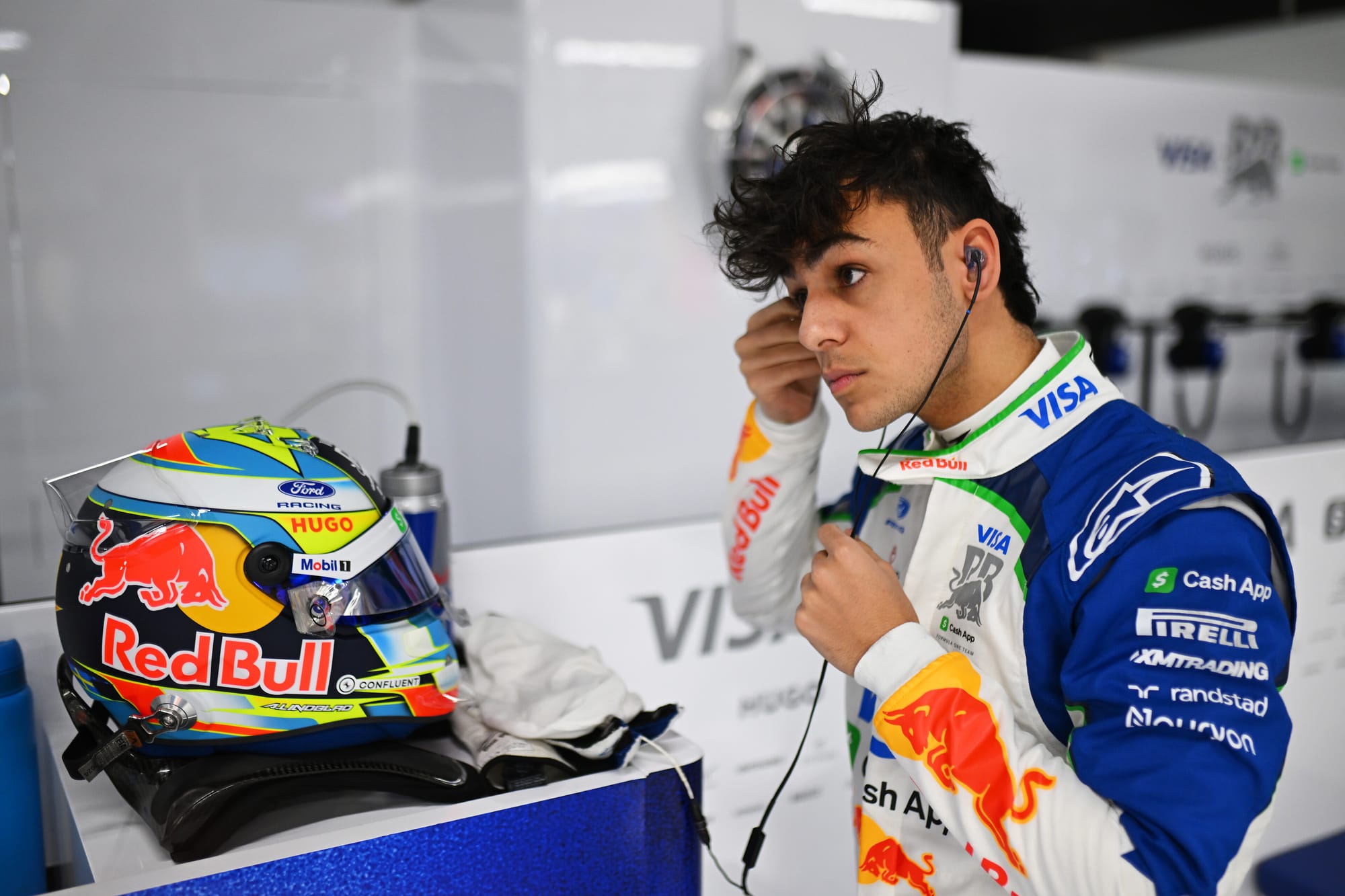
There’s only one rookie on the grid this season and despite being a wildcard pick, he’s made a good early impression with his new team.
Eighteen-year-old Arvid Lindblad will be the fourth-youngest driver in F1 history when he makes his debut in Australia and has been promoted to a Racing Bulls seat after just one promising but unspectacular year in Formula 2.
Winners and losers from F1's 2026 Barcelona test
Best times and total mileage for every F1 team and driver at Barcelona
Hamilton ends F1's Barcelona test on top
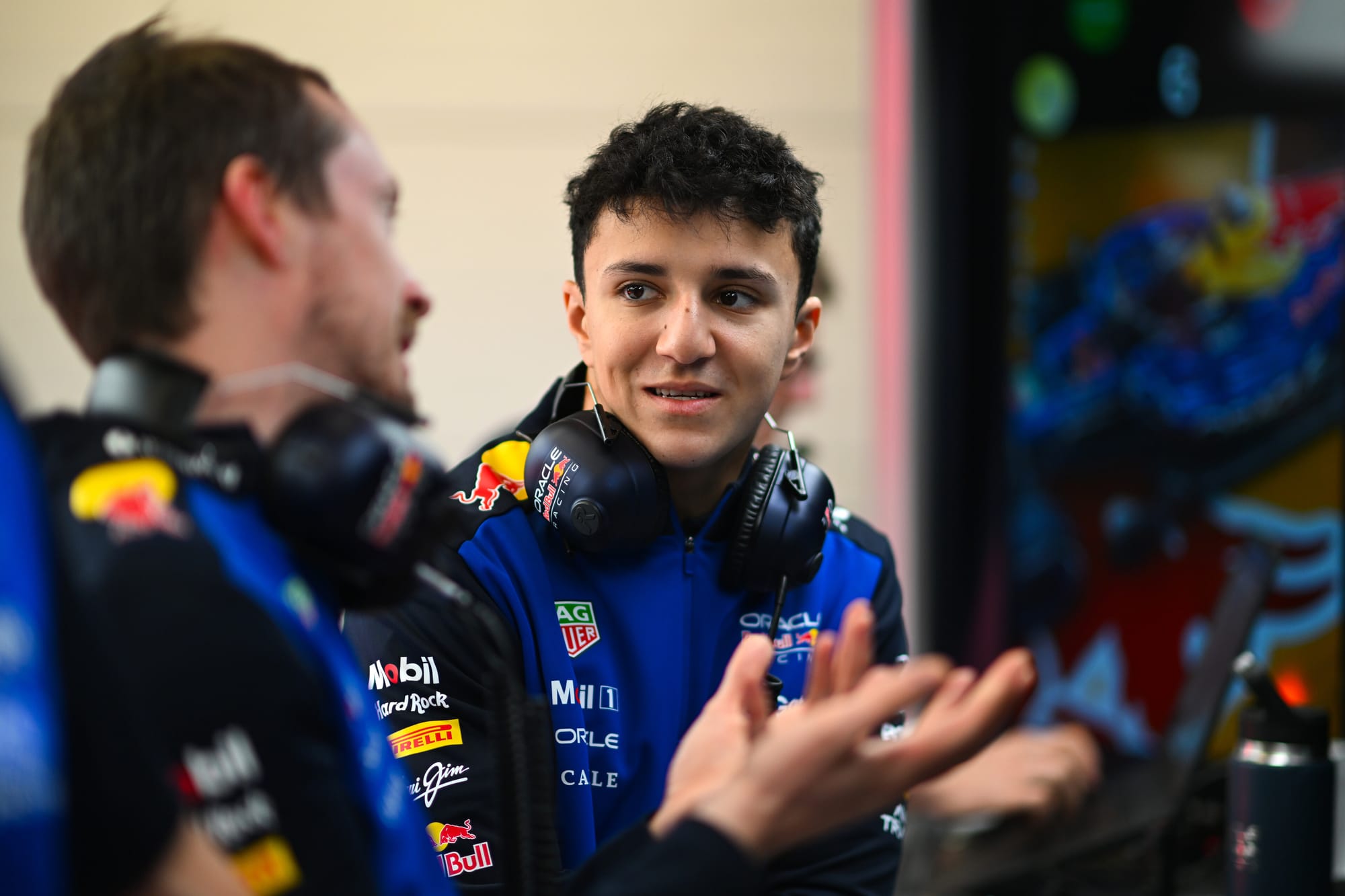
His speed at his best is very impressive, and Racing Bulls reckons he’s already looking quick compared to team-mate Lawson.
But what’s also stood out is his inquisitive nature - asking lots and lots of questions.
This reminded team boss Alan Permane of what Lindblad’s predecessor Hadjar was like 12 months ago, which is no bad comparison given what Hadjar went on to do on-track.