The F1 performance factor that's still undervalued - and which drivers excel

Formula 1 has never been more obsessed with performance.
Teams spend millions to make marginal gains. Drivers dedicate their lives to becoming faster, fitter and more precise. Every detail is scrutinised in pursuit of a win, or better yet, a world championship.
Yet some of the most important data in modern F1 doesn’t come from telemetry screens or engineering briefings, but from driver reactions.
Recent events have once again shone a spotlight on the emotional pressure elite sportspeople operate under. In a sport where expectations are sky high, frustration can surface quickly when results fail to match ambition.
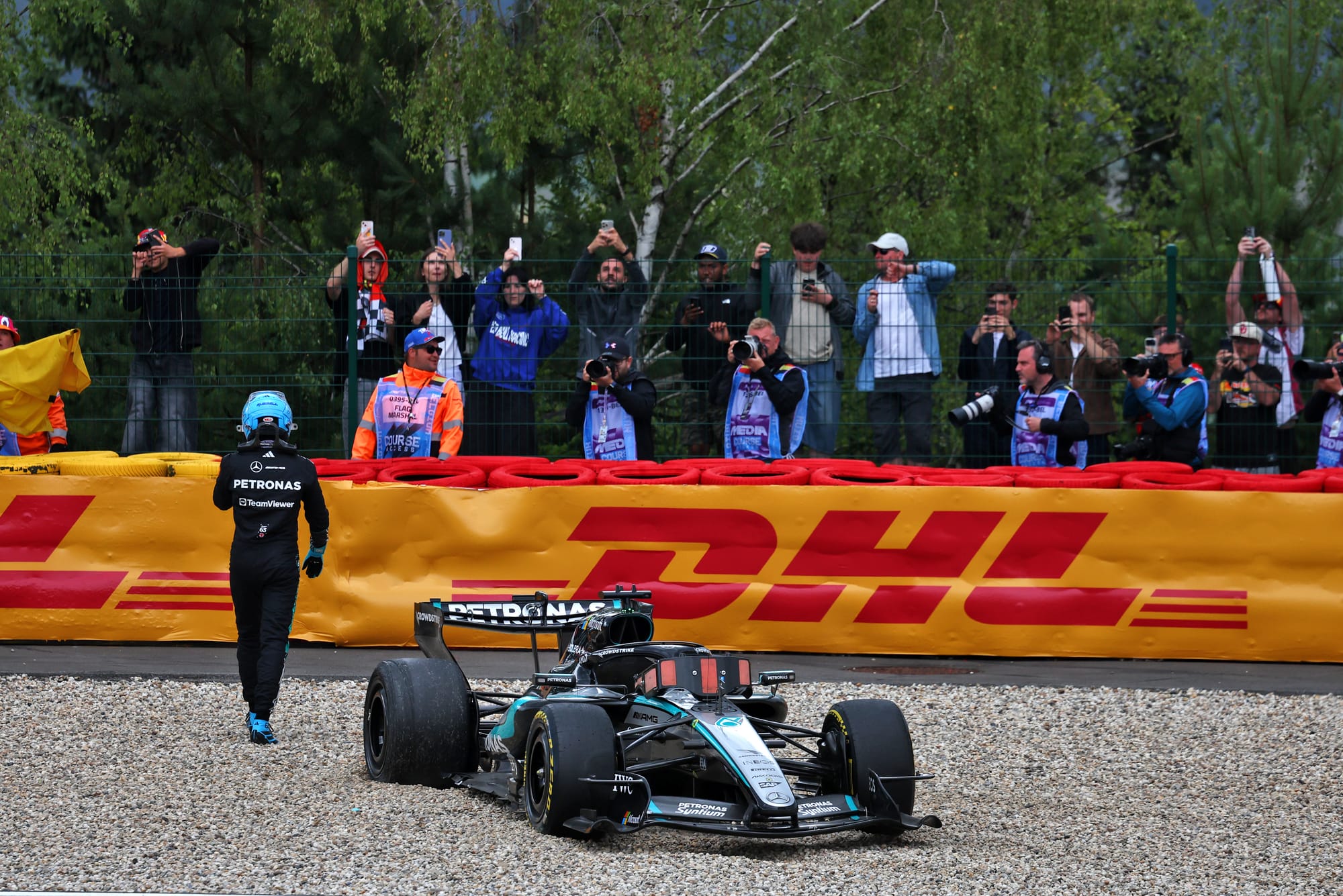
For Monaco-based mental performance coach Caroli Remmlinger, those moments are not signs of weakness. They are windows into the psychological demands of competing at the highest level.
"The short sentences that you say when you are angry, frustrated, sad - this is like a book of your brain for me," she said, speaking generally.
It is why Remmlinger spends so much time focusing not simply on how drivers perform, but on how they think.
While F1 teams routinely invest in physical preparation, simulator work and technical development, she believes the mental side of performance remains one of the sport's most undervalued advantages.
"Exactly as you work on your body, you work in the simulator... Why don't you work on your brain?"
Remmlinger is quick to distinguish mental performance coaching from the way many people think about sports psychology.
"For me sports psychology is the basics," she explained. "But mental performance is really advanced."

While sports psychology often focuses on understanding behaviour and helping athletes work through challenges, Remmlinger's approach is centred on performance itself. Drawing on her qualifications in psychology, sport psychology and neuroscience and years of business coaching experience, she combines elements of psychology, coaching, behavioural analysis and trackside observation to understand how drivers think under pressure and how those thought patterns affect what happens when they get behind the wheel.
For her, the goal is not simply to understand why an athlete thinks a certain way, but to actively change the habits and emotional responses that influence performance.
That belief that our brain is trainable throughout our lives has shaped her work with drivers across the motorsport ladder - from karting to potential champions - and informs everything from the exercises she sets away from the track to the observations she makes in the heat of competition.
The importance of that work becomes most visible when things are not going to plan.
"We can be so angry and frustrated," she said. "It will not help us getting to our goal."
That idea sits at the centre of her philosophy.
Drivers spend their entire careers chasing success. They are conditioned to believe they can win.
Yet, as Caroli explained, motorsport guarantees disappointment as much as triumph. Cars are uncompetitive. Team-mates outperform expectations. Championships slip away. Opportunities disappear. This naturally leads to emotional responses.
The mentality of F1
The challenge, according to Remmlinger, is preventing emotion from taking control.
What frustrates her most is a persistent misunderstanding of what mental coaching actually is. Many athletes still associate psychology with having a problem to solve rather than a skill to develop.
Remmlinger said that too often mental support is sought only when a problem arises and it’s almost too late to turn it around for the end of the season.
Mental performance, she argued, should be approached in the same way as fitness, or technical preparation: as an element that is consistently worked on.
That philosophy shapes her coaching process.
One of the first exercises she introduces is journaling. Not in a ‘dear diary’ way but more akin to a database.
The data collected about the car alone is extraordinary, everything can be tracked to the most minute of details. Yet many have no equivalent system for tracking emotions, thought patterns or psychological triggers.
Without that information improvement becomes guesswork, Remmlinger said.
"They have no database. And without a database, how can we improve anything?"
Alongside journaling, visualisation plays a key role in her work.
For Remmlinger, visualisation is not about wishful thinking or positive affirmations. It is a form of preparation.
By repeatedly rehearsing situations mentally before they happen, drivers can create familiarity, build confidence and develop responses before they find themselves under pressure.
"You can tell me during our calls whatever you want… On the racetrack, I see your raw emotions."
Viewed through that lens, F1's radio messages become something more than entertainment. They become evidence - not evidence of weakness, but evidence of how the mind responds to pressure and disappointment.
Which is why she finds certain drivers particularly fascinating. Among the champions she admires most is Mika Häkkinen.
The mindset of champions
Long before mindset became a fashionable topic in motorsport, Häkkinen embraced many of the principles that underpin modern mental performance coaching. His commitment to preparation, his ability to remain composed under pressure and his willingness to engage with the psychological side of performance made him a standout example for her.
She sees Häkkinen as one of a small number of drivers who understand that success is shaped as much by what happens inside the helmet as outside it.
Among today's F1 grid, Oscar Piastri stands out for similar reasons.
Remmlinger has frequently pointed to Piastri as an example of emotional discipline. During periods where outside observers questioned circumstances around him or speculated about internal team dynamics, she was struck by how little his behaviour appeared to change.
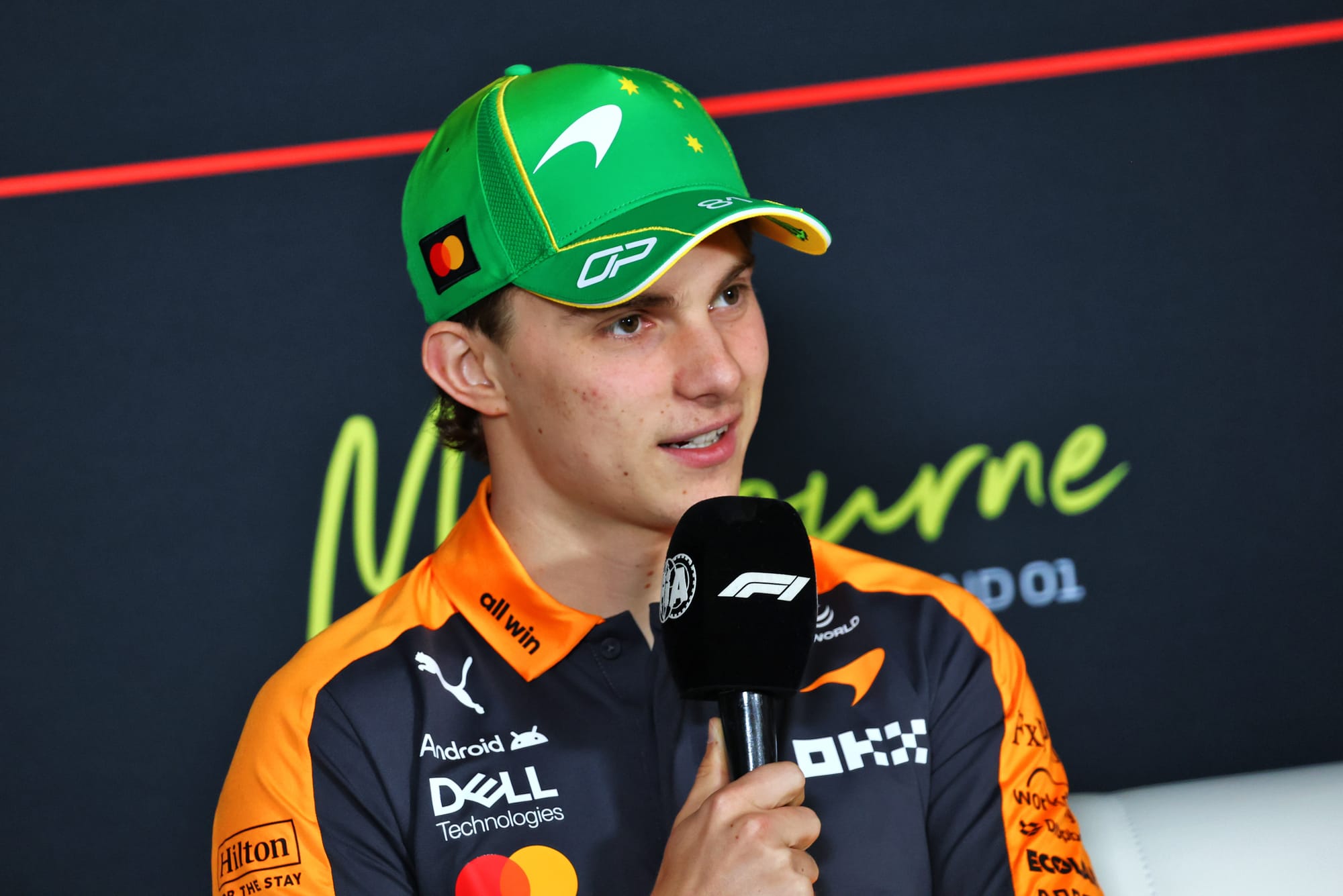
"This guy was so poised," she said. "He was so calm on the outside. He was still so diplomatic."
For Remmlinger, that composure is not accidental. Piastri has worked with a mental performance coach, Emma Murray, from the early days of his motorsport career.
Just as telling, she argues, is what does not happen.
In an era where every action is scrutinised, Piastri rarely generates headlines for emotional outbursts or off-track distractions. The focus remains firmly on performance.
If Piastri represents one form of mental resilience, Carlos Sainz represents another.
"I think Carlos Sainz is very advanced," she explained. "The way he speaks, even when he is angry, you see that he doesn't have chaos in his mind."
What fascinates her is not the absence of emotion, but the ability to remain clear-headed while experiencing it.
Sainz, she believed, demonstrates a level of emotional control that allows him to continue making effective decisions even when circumstances are difficult.
In a sport where careers are shaped by pressure, uncertainty and constant evaluation, that stability can become a competitive advantage.
Looking beyond the current grid, she finds a similar quality in one of F1's most iconic champions.
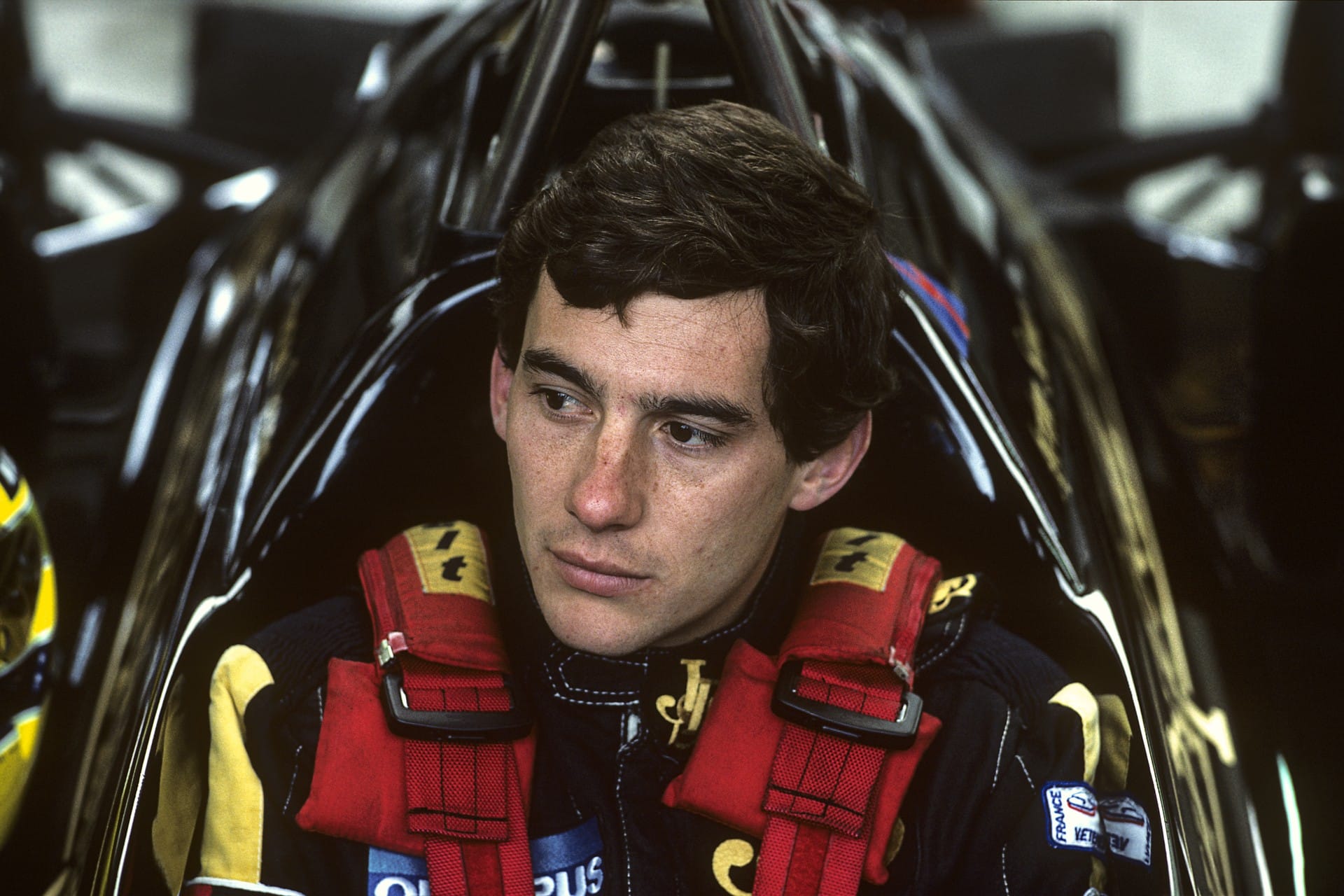
When asked which former drivers stood out mentally, she answered immediately: "Senna."
Listening to Ayrton Senna's interviews decades later, Remmlinger hears ideas that feel remarkably modern. Long before mental performance coaching became commonplace in elite sport, he was already speaking about responsibility, self-awareness and mindset in ways that resonate today.
"This guy was not a champion by accident," she said.
The evolution of pressure
For Remmlinger, the common thread linking Häkkinen, Senna, Sainz and Piastri is not talent alone, but their relationship with pressure.
And as Remmlinger pointed out, only strengthening her point on the importance of consistent mental preparation, pressure continually changes and evolves.
"New level, new devil."
As drivers progress through their careers, the pressures around them change. A young driver moving into single-seaters faces different expectations to someone fighting for wins in F1, just as a race winner faces a different challenge again when a championship becomes a realistic target.
"One season everything can be okay and then something changes in the next season."
That, she believes, explains why even the world's best drivers can look different from one year to the next. The demands placed upon them are constantly evolving, whether that comes in the form of a new team-mate, a more competitive car, greater expectations or simply a different stage of their career.
Throughout our conversation, Remmlinger returns to the same themes: self-awareness, responsibility and the importance of treating mental performance as something that can be developed rather than something athletes either possess or lack.
It is a philosophy she sees reflected in the drivers she admires most. Häkkinen's commitment to preparation, Piastri's composure, Sainz's emotional control and Senna's self-awareness all point to the same underlying principle: success at the highest level is not just about how drivers perform when everything is going well, but how they respond when they are challenged.
In a sport where so much attention is placed on machinery, strategy and execution, Remmlinger's focus remains firmly on the person behind the wheel.
It is perhaps best summed up by Henry Ford, of all people, and Remmlinger’s favourite quote: "Whether you think you can, or you think you can't, you're right."