What's behind F1's set of 2027 aero bans
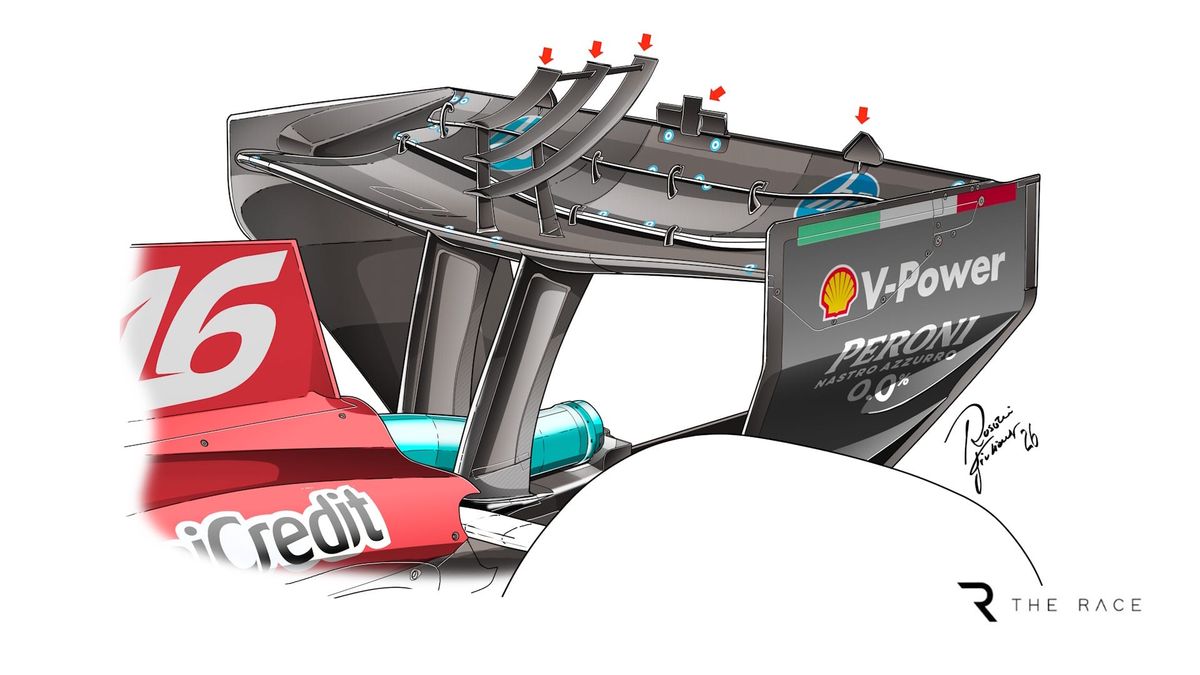
Key aerodynamic developments have been banned for 2027, but the FIA remains confident Formula 1 teams haven't found a way to break its rules concept as they did with the previous generation of cars.
In a bid to both cut downforce levels and stop development spending wars, the FIA has made changes to next year’s regulations that head off some areas that teams pushed hard on in 2026.
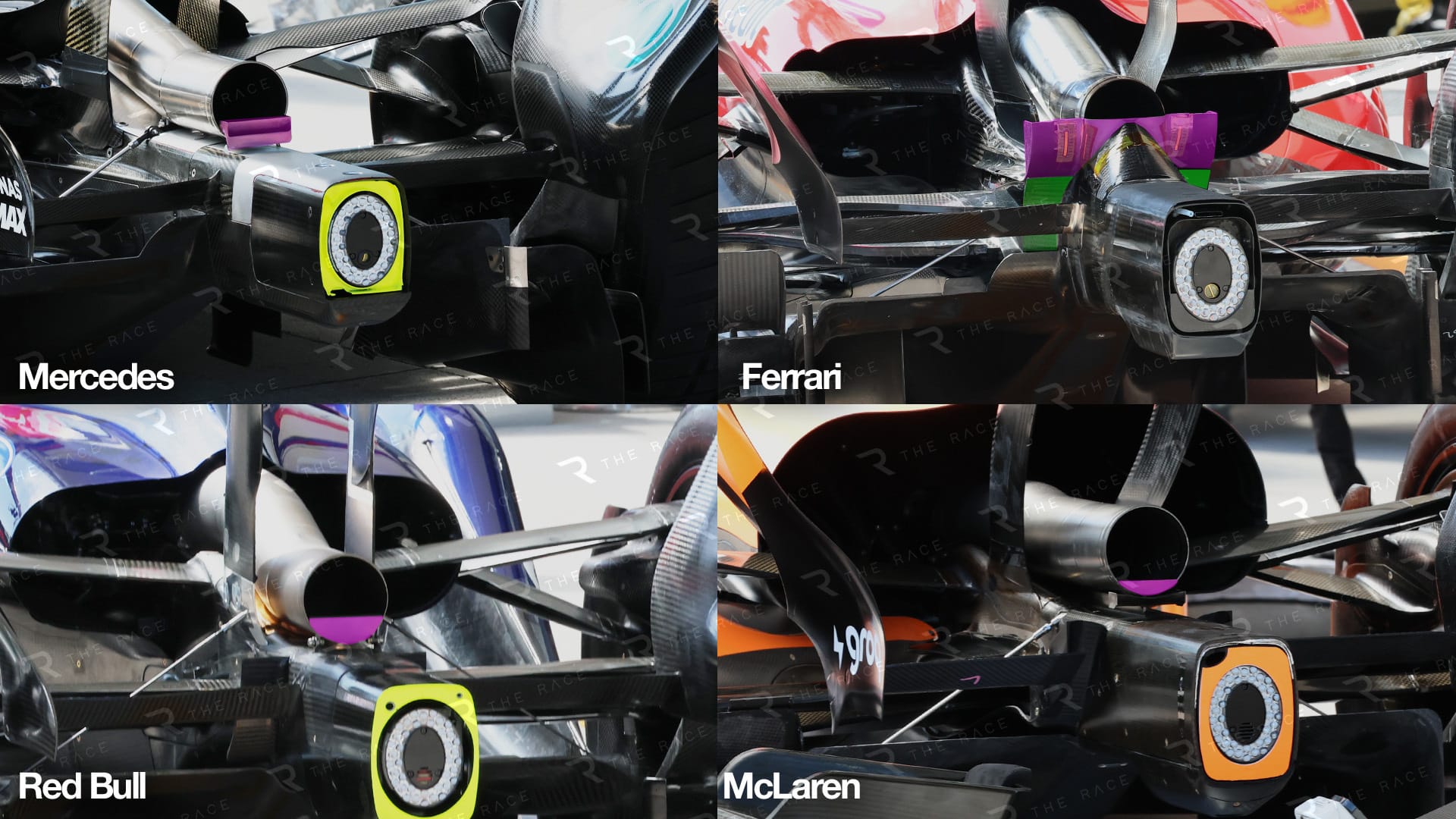
This includes bans on exhaust wings (pictured below) and hanger extensions on the rear wing, plus a clampdown on the actuator fairing winglets that first appeared on cars from the Monaco Grand Prix.
But while the FIA has moved to restrict some key areas, it believes that the current regulations have succeeded in preventing teams pursuing aero development paths that make it harder for cars to follow each other closely.
The FIA’s single seater director Nikolas Tombazis thinks that the 2026 cars are in the same ballpark of downforce losses as at the start of 2022.
However, back then teams ruined the ability of cars to follow each other through their exploitation of some freedoms within the regulations that disturbed the car wake.
This meant that the original 15% loss of downforce at 10 metres fell away to a 35% loss over the following years, with the 5% loss at 20 metres opening up to 15%.
Right now, Tombazis believes the lessons the FIA learned in what went wrong last time have helped ensured that the ability of cars to follow each other right now should carry forward as the new rules continue.
“I believe we are similar to where we were at the start of the ‘22 championship, but I think it's a bit more robust this year,” said Tombazis, when asked by The Race about if the current aero rules have achieved what was hoped for.
“The various aerodynamic solutions they've had, they haven't found something that has broken the concept.
“In the previous regulations, there were a few things that actually did significantly compromise the concept, mainly the front wing endplate, the floor edges, and all the furniture on the front wheel.
“All of those things made the wake characteristics significantly worse. We learned from that, and I think hopefully there isn't any equivalent issue.”
Design freedoms still there
Tombazis acknowledges that some key 2026 aero battlegrounds did take the FIA by surprise, but he says action taken to shut these down for next year will work to keep things in check but still allow teams enough design freedom.
For example, a more restricted legality box surrounding the rear wing actuator area that was exploited by teams since the Monaco Grand Prix for extra winglets could still allow some clever ideas with the allowances still left.
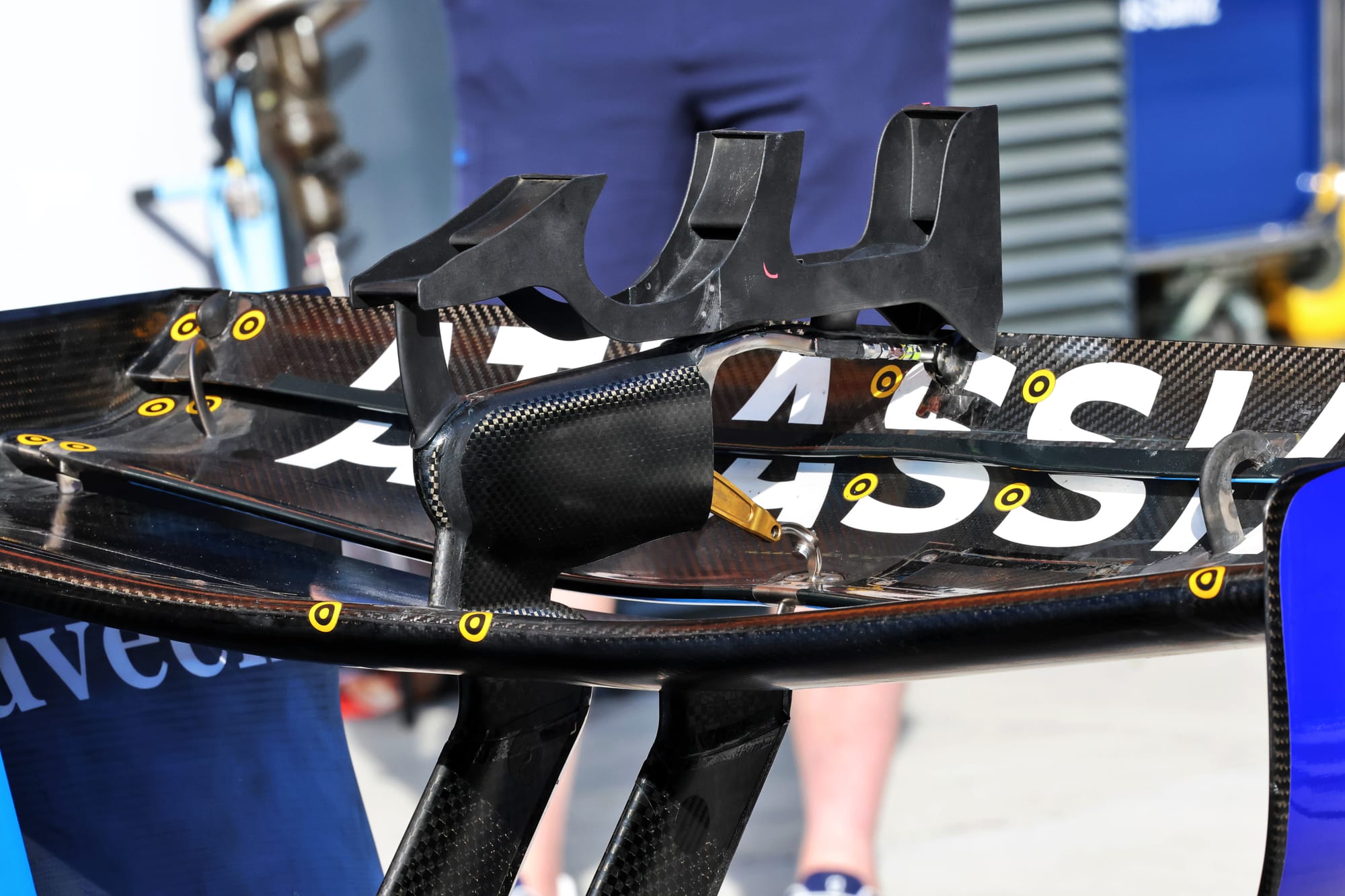
“We didn't expect, for example, the exhaust solutions to be there,” said Tombazis. “There are a few solutions on bodywork that we have already corrected for next year. Overall, we did try to make it still an interesting challenge for the teams to develop the cars.
“We didn't go to the fully restrictive option, let's say, and I think it's probably not in a bad place where it is in terms of level of freedom on the one hand, but gradual performance convergence.
“I think there is still some reasonable performance differentiation there, and I think it will gradually converge in the next six months, I would say.”
The right challenge
Although drivers have been widely frustrated with the new 2026 power unit regulations, they have generally liked how the cars have behaved this year.
The new regulations have got rid of the brutal stiffness and low ride heights of the previous ground effect era, while the reduction in downforce has left them more of a challenge in corners.
Tombazis thinks that the FIA pitched things at the right level to avoid the elements that were so disliked beforehand.
“They are still, I think, quite difficult cars to drive for the drivers,” he said. “I think it is good that they're not just cars that anybody can drive.
“Some of the aerodynamic regulations push towards teams not being able to address every single aspect of a car through a corner, and therefore they do have challenges.
“So when we have the 22 best drivers in the world, we should also have cars that are not exactly easy for my grandma to drive.
“We have also raised the ride heights a bit, which means that they are not quite as brutal as last year. And they are a bit lighter and smaller, which the drivers have appreciated.”
Longer term changes
While Tombazis is happy with where the current car rules concept is, he is clear that he wants a step change for the next generation of rules.
One area that he is targeting is weight – as he sets sights on a hefty cutback in this area.
“Are we where I would like us to be? No,” he said. “I would like us to be another 80 kilos lighter, and maybe still a bit shorter, a little bit smaller.
“That's the sort of target - that we go another big step from what it was possible to do for now.”