What Mercedes' rivals got so badly wrong in F1 2026
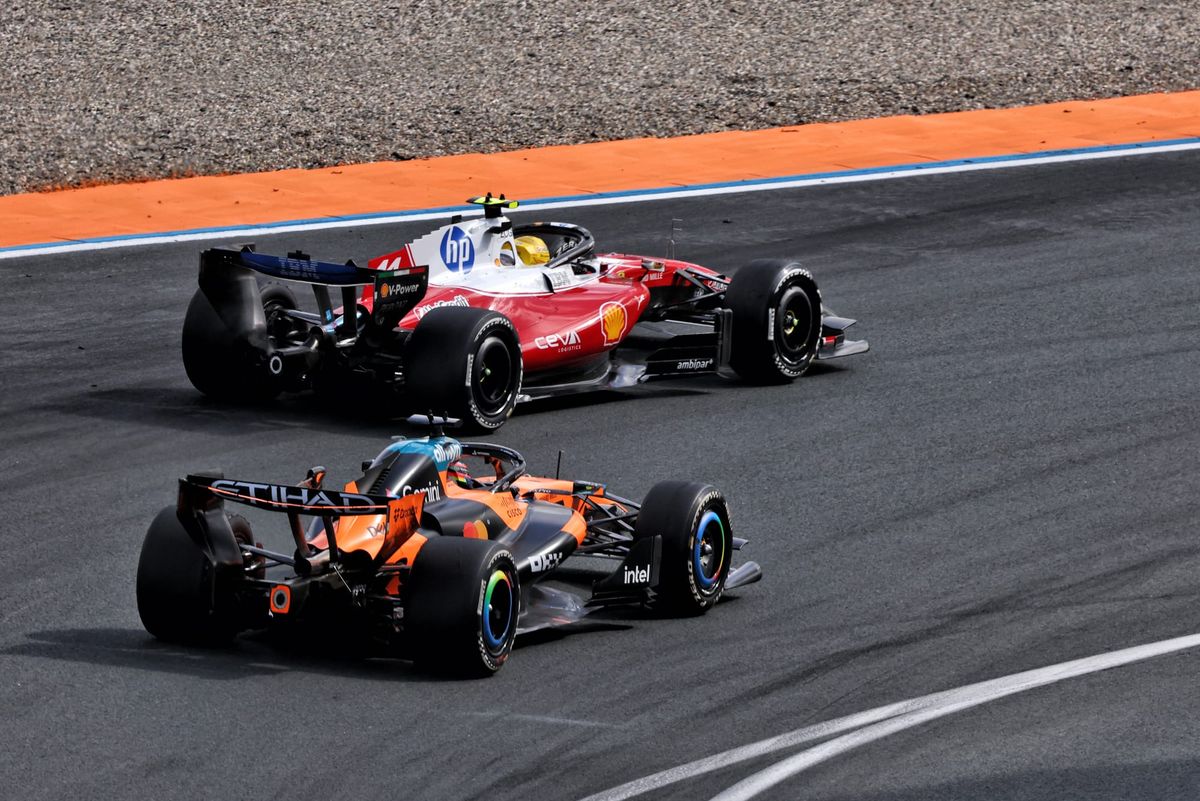
In the wake of an underwhelming Spanish Grand Prix for both Lewis Hamilton and George Russell, the two drivers closest to championship leader Kimi Antonelli in the standings, they have all but conceded the 2026 Formula 1 title race is over at this point.
There could be some psychology going on here, of course, but there does anyway feel like an increasing inevitability about Antonelli being crowned. Madrid was his eighth grand prix victory from 14 starts this year, and none of his rivals have yet been able to gain the sort of momentum needed to slow him down.
Not counting sprints, Russell hasn't won since Austria, six races ago. Hamilton hasn't won since the race before that, at Barcelona. And Lando Norris, who sits a further five points behind Hamilton in the championship, has won two of the past four races for McLaren but coming off a sparse run of just three podiums in 10 races before that.
Top six points and wins
1 Antonelli 292 (8)
2 Russell 211 (2)
3 Hamilton 191 (1)
4 Norris 186 (2)
5 Leclerc 167 (1)
6 Verstappen 145 (0)
Max Verstappen's incredible comeback to just two points adrift of Norris in 2025 creates a massive caveat here, but as things stand Hamilton would need to come from even further back than Verstappen was at this stage in the season - with potentially fewer than the 10 races Verstappen still had available to him to make up the ground - to even make a fight of it, let alone defeat Antonelli.
And after his brake-related retirement from the Spanish GP, Hamilton declared: "There's no stopping him [Antonelli] and Mercedes this year", while Russell, who finished fifth in that race, also indicated the 81-point deficit he faces, considering also how Antonelli is performing so consistently better in the same car, is likely insurmountable.
"I'm not going to say it's over, but it's exceptionally unlikely that I'm in this fight," said Russell who has ultimately found the challenge of driving these lower-grip, energy-starved F1 cars a much tougher nut to crack than Antonelli has.
"I'm not even thinking about being in the fight because I don't think I am in the fight."
When Verstappen and Norris were sat either side of Antonelli in the post-race press conference in Madrid, Verstappen joked "I'm definitely not having a comeback" from almost 150 points adrift, while Norris praised the "scarily good job" Antonelli is doing in only his second season in F1, before saying the Mercedes driver is "more than likely going to go on and win the championship".
So how did it come to this - why has the 2026 title race so quickly become a one-man show, rather than a multi-team (and driver) fight?
Ferrari peaked too soon
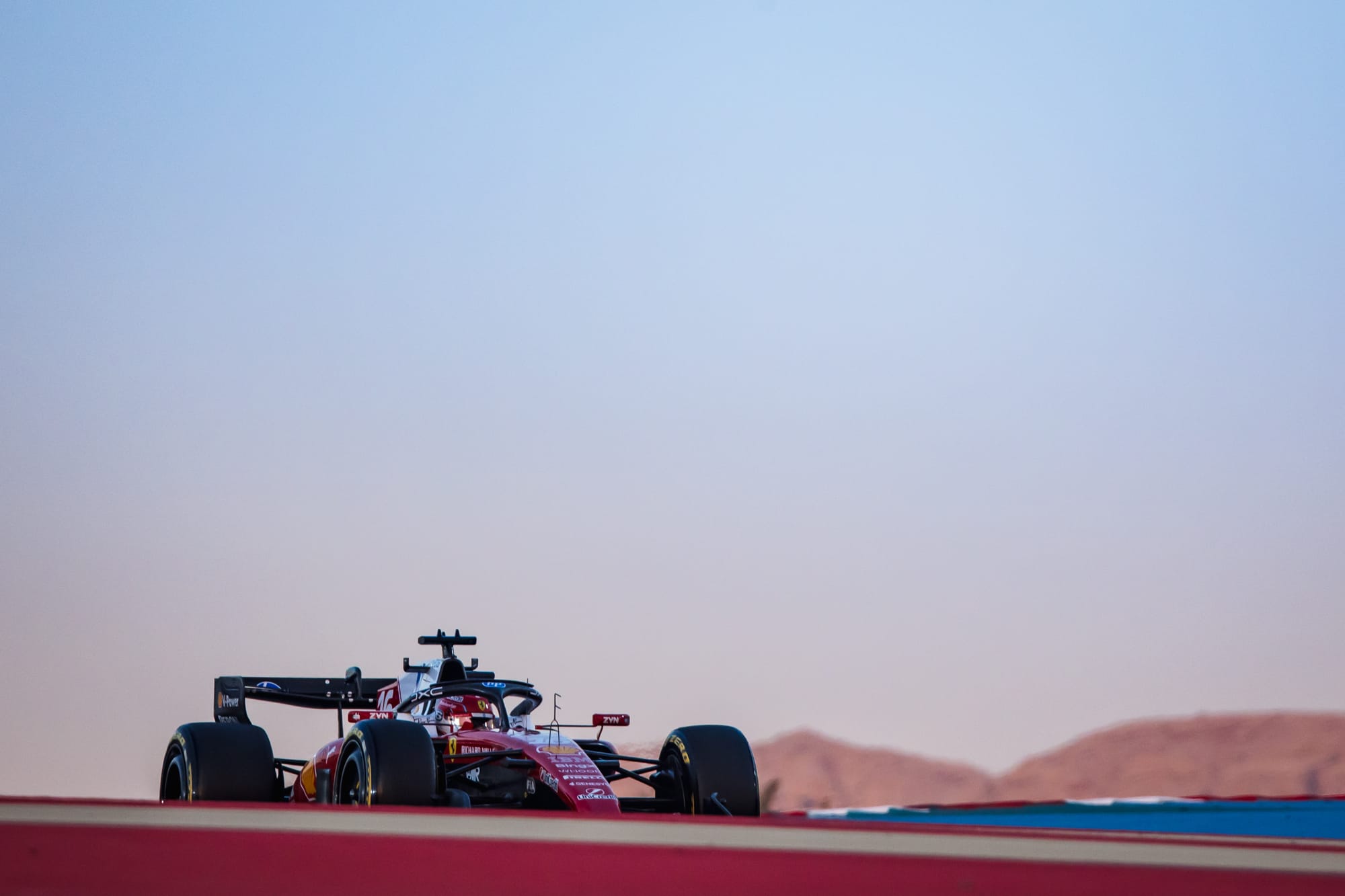
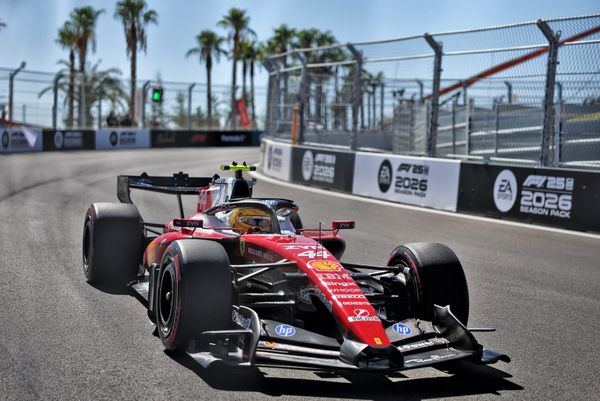
Ferrari really suckered us in with their early-season promise. The car looked so good in the corners - the best on the grid many said - that it seemed the Scuderia was only a few engine upgrades away from becoming the team to beat.
But it hasn't worked out that way. Deliberately compromising engine performance to boost chassis performance, not only in certain design features like the exhaust wing but also in the way the engine is operated, has ended up looking like a wrong turn in a season so dominated by engine performance - especially on the more energy-starved circuits.
On top of this, Ferrari has been out-manoeuvred politically - ending up on the wrong side of early season arguments about startline procedures and safety, negating one of the key advantages conferred by Ferrari's smaller turbo design, and also with ADUO (Additional Development and Upgrade Opportunities) - whereby Mercedes has somehow been able to upgrade its own engine and maintain a clear advantage.
The second of Ferrari's two in-season ADUO engine upgrades, introduced for Monza, hasn't really moved the needle yet in terms of Ferrari's performance profile. And although Ferrari has been super aggressive in upgrading its chassis throughout the season, leading the way with some innovative design features, many of them have proved easy for rivals to copy, and some of them will soon be banned regardless.
So Ferrari has ended up looking a bit like it always does - quite limited and a bit of an outlier. Which leads to a few questions:
- Should it have said more in those meetings about extending the pre-start procedure at the start of the season?
- Should it have gone for a bigger turbo from the very beginning?
- Should it have been more aggressive with its rear brake design, considering the difficulties both drivers have had with the braking system at times this year?
- Should it have been more aggressive with its overall engine concept?
- And should it have spent more time figuring out how to manage the drivers?
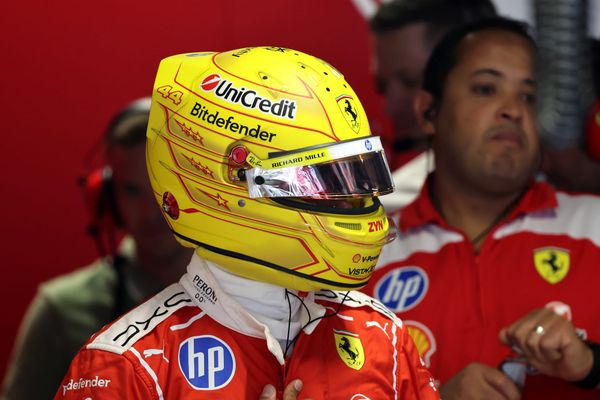
This last aspect has become a real talking point recently, and things have become so tense behind the scenes that Hamilton has felt the need to publicly refute stories he is pushing for more personnel changes in the wake of fumbled opportunities at Zandvoort and Monza.
This suddenly feels very much like the Ferrari of old, paralysed by driver politics, unclear communication and flat-footed strategic thinking and execution.
Focus will naturally move towards 2027 now at Maranello, where there will surely be enormous pressure building on everyone in that team to make up for the missteps of this season.
McLaren's late show
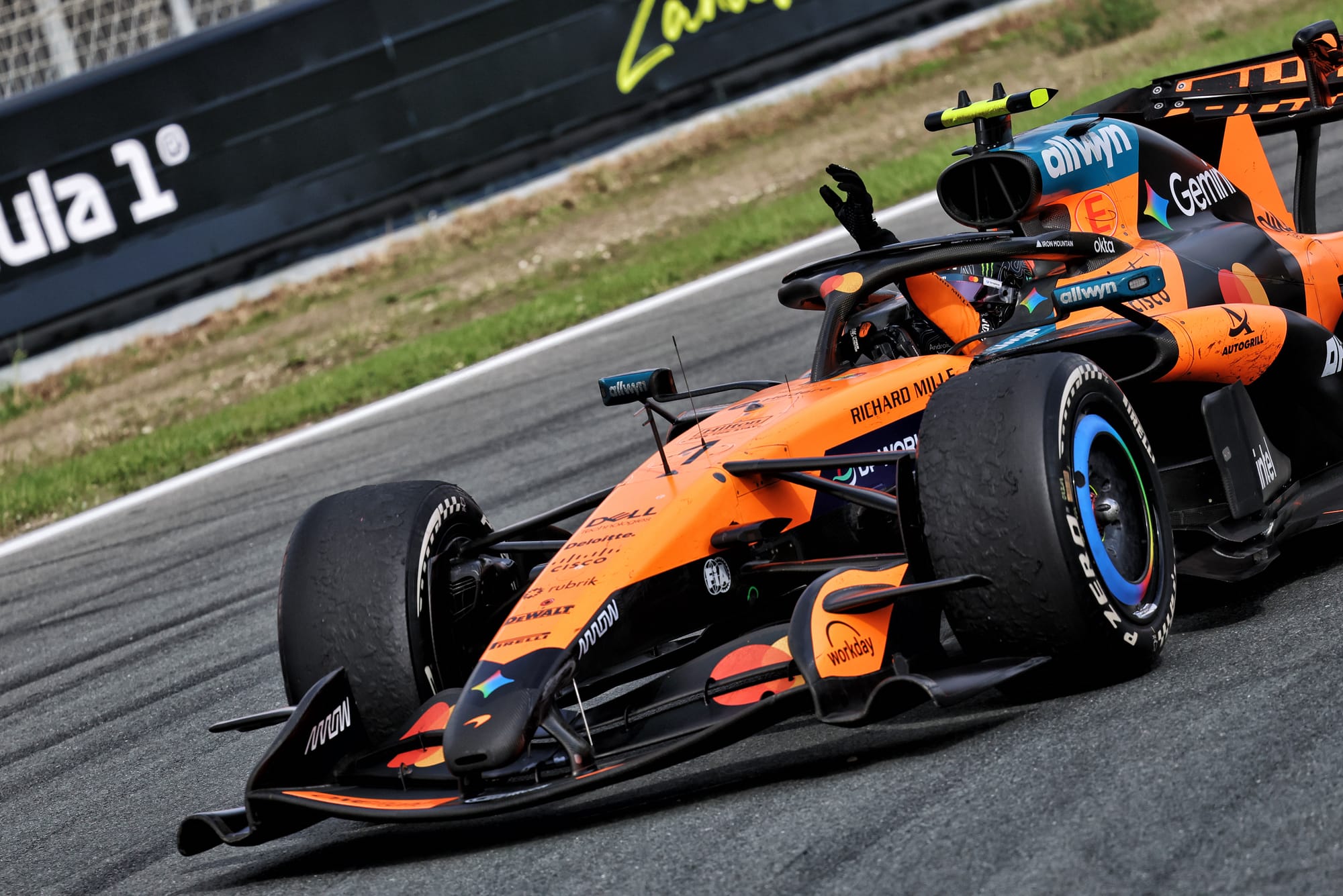
Norris is on a tear of three poles and two wins from the past four races, which really should have been three wins considering how dominantly he performed in Madrid.
It's sensible to question whether this is simply the nature of recent circuit profiles intersecting neatly with the particular characteristics of McLaren's 2026 car, or the beginning of a broader trend that should lead to a proper title push in 2027.
This is a question we tackled in a recent Mailbag episode of The Race F1 Podcast, where those signed up to The Race Members' Club get to pose the questions that shape our conversations about F1.
The sort of thing we've seen from McLaren recently is what you'd really expect from the reigning F1 champions from the get-go, but this sort of late arrival to the front of the grid is a consequence of the three months Andrea Stella admits his team fell behind the development curve while focused on its 2025 battle with Verstappen and Red Bull.
McLaren basically came into the new 2026 rules fixated on getting weight out of the car, which is understandable considering how difficult it's proved for other teams - particularly Aston Martin and Williams - to hit that target.
McLaren shortened the wheelbase to make this process easier and then discovered the car lacked sufficient floor area to chase additional aerodynamic performance. If it had its time again, McLaren admits it would have gone for a longer wheelbase and probably will make its car longer for 2027.
"For next year we'll end up with a longer car," confirmed McLaren's engineering technical director Neil Houldey during the August break, "because aerodynamically you give yourself a little bit more plan area on the floor."
That all comes back to the question of drag and how to avoid it. Straightline mode hasn't proved as efficient as McLaren predicted in 2026, and so it needs to find ways to make the car itself more efficient in a straight line while also adding downforce.
McLaren tried making a flip-flop rear wing, similar to Red Bull's one, but it took ages to get working and when it did finally work, McLaren's only used it once, at Monza. Which raises questions over whether the design is a one-hit wonder rather than something usable on a broader range of circuits.
There's a couple of other loose ends with McLaren that relate to Mercedes customer status and the feeling McLaren has been relegated to being a pure customer again this year, having previously enjoyed a quasi-works relationship with its engine builder.
McLaren's early-season problems with energy deployment, as well as using gear ratios that are shorter than ideal for most tracks, have roots in McLaren and Mercedes becoming more like frenemies in 2026.
McLaren is still in the process of working through some of these problems and, although the current car has become perhaps the class leader in high-speed corners, it is still proving tricky for the drivers to extract the most from - particularly on slower tracks and corner entries that require a degree of combined braking and steering.
But if McLaren can stay on the trajectory we've seen over the past four races, there's every reason to believe the 2025 champions can be a proper threat to Antonelli and Mercedes in 2027.
Verstappen and Red Bull baggage
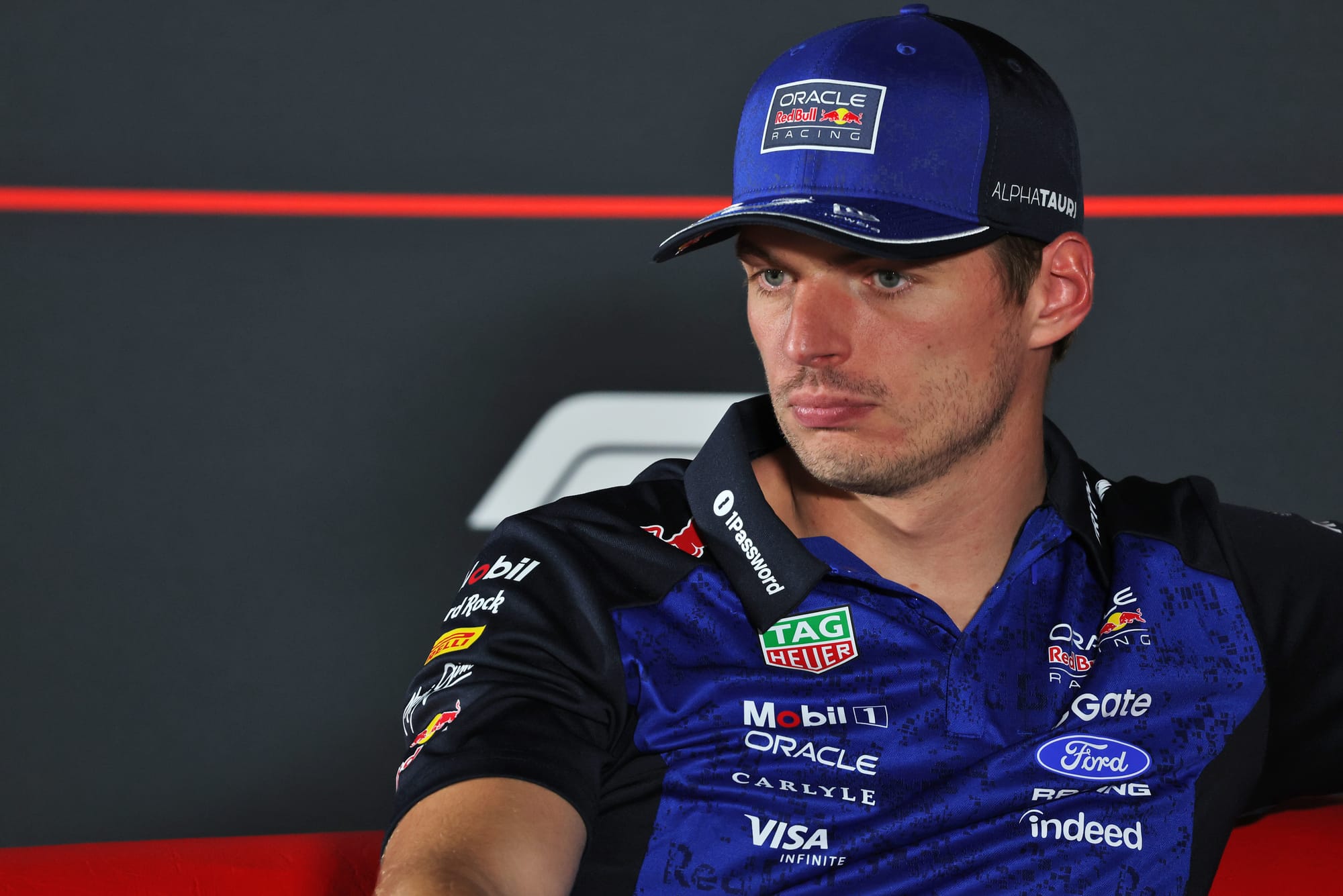
Sometimes you just need to get your head in the game, and after a troubled start to 2026 that's where Verstappen seems to be right now.
He started off this year hating F1: it's too much about the battery, the battery dominates the car, it makes the cars too slow, and too easy for an average F1 driver to jump in and be competitive.
But there's been a subtle shift over the summer. It's not that Verstappen particularly enjoys this version of F1 more than he did before, but he's come to terms with the fact it's the only show in town right now - and he needs to make the best of it.
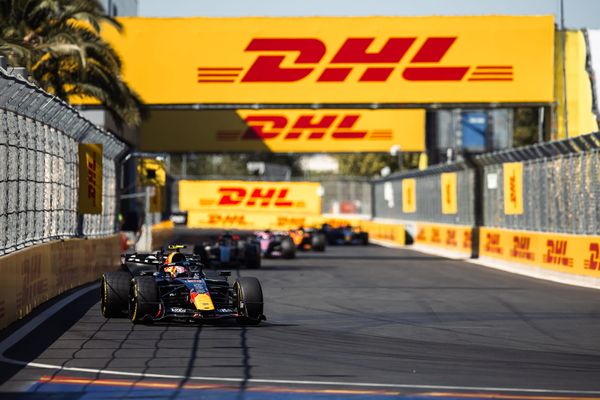
And even though the 2026 Red Bull has been tricky to make work, four podiums from the past five races suggests Verstappen is finally starting to find some rhythm.
For his Red Bull team the outlook is a bit more difficult. They look and feel like a group still in transition following the departures of Christian Horner and Helmut Marko - with more to come in the wake of that sudden rupture triggered by Horner's sacking more than 14 months ago.
They threw everything at trying to get Verstappen over the line against Norris in the 2025 title race and fell just short, and are definitely paying the price for that now in terms of car concept and development.
A breakdown of Red Bull's shortcomings looks a bit like this:
- Too much focus on 2025 at the expense of 2026.
- Learning from that which hasn't carried over from one car to the other.
- A great new RBPT/Ford combustion engine that's so good the FIA won't allow updates!
- A weak Energy Recovery System that's letting that engine down.
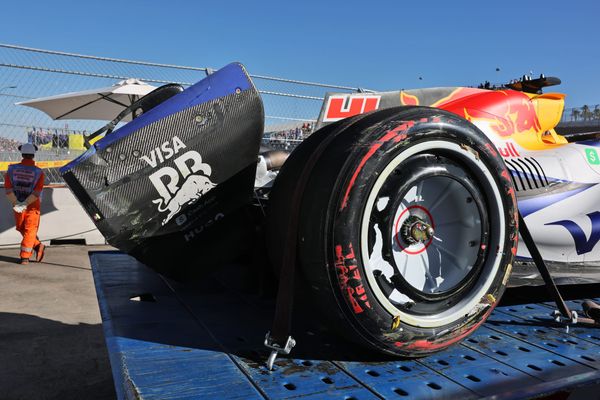
- And, to top it all off, a bad-handling car that doesn't ride kerbs well, is difficult to set up, doesn't manage the tyres especially well, and that mysteriously ‘degrades' aerodynamically through a weekend, especially at the rear.
Some of this cannot be tackled unless there is movement on revising the FIA's ADUO mechanism, while the car degradation is something Red Bull team boss Laurent Mekies remains coy about but confirms the team is working hard to solve for 2027.
"There is an element of car performance degradation that is happening through a session and through a race," Mekies said. "I consider it a complex issue, otherwise we would get to the bottom of it.
"We don't have all the solutions yet in the car, but I trust that we are on the right way. It will not be fast, so it's something that will probably take us through next year."
Embarrassed outsiders
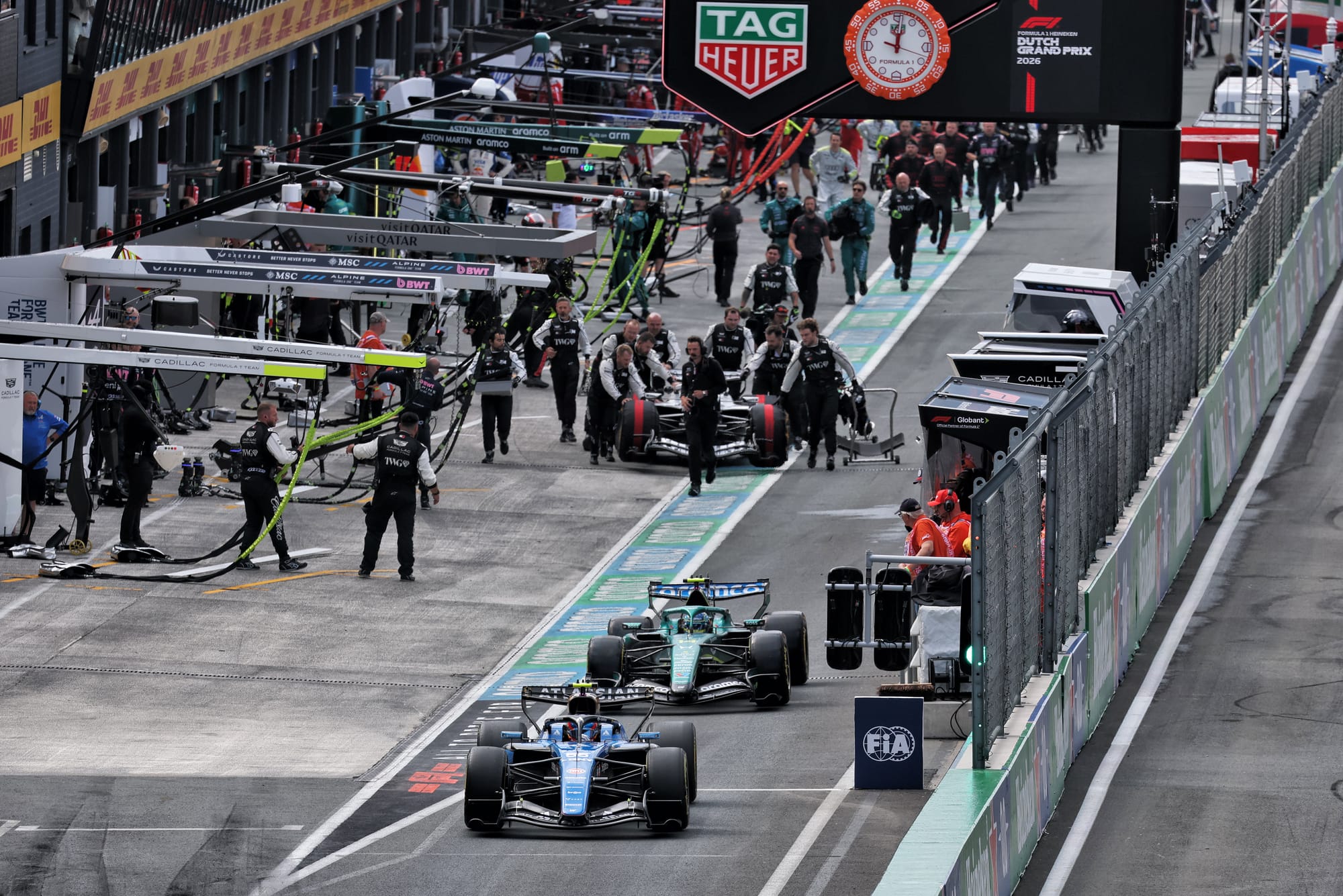
Aston Martin and Williams both majorly flexed their muscles and made big promises about what would be possible in 2026, and the main reason they've gone missing is they simply haven't got their respective acts together.
For Aston Martin that means:
- A late start because Adrian Newey arrived late and threw out the original car concept, meaning Aston Martin was late into the windtunnel with its definitive 2026 model.
- Then realising Newey's preferred high-rake aero concept didn't actually work because it made the car tricky to set up and unstable at high speeds, as well as not producing the downforce levels expected.
- A state of the art F1 facility, but a staff structure that was immature and, after rapid expansion, not operating as a cohesive unit.
- Outdated tools and processes, some dating back to the team's 1990s Jordan Grand Prix days, making the new-car build messy, late and overweight.
- The AMR26 was massively overweight. Some of this was due to Honda integration and vibration work; some from Aston not saving weight well enough.
- Relying on weak simulation tools that weren't up to spec, creating unreliable predictions.
- And, of course, the Honda power unit, which lacks pure power, has weak deployment, terrible driveability, unstable combustion, initially created vibrations that destroyed the chassis and gearbox - and even now causes continual instability under braking and problems with gearbox synchronization.
And as for Williams, team principal James Vowles made big, bold declarations about how much focus his team would put into 2026 to make sure Williams could bridge the gap from leading F1's midfield to competing at the front again.
But it's ended up nowhere near. Carlos Sainz has labelled 2026 "a wasted year", so now it's on Williams, and Vowles, to make sure they get themselves into proper shape as quickly as possible.
That means:
- Not building a car late, over budget, lacking downforce and well short of the performance level anticipated.
- Not choosing the same wrong high-rake aero concept as Aston Martin, setting the project back months.
- Not growing complacent and failing to realise that infrastructure, production and manufacturing were not at the level needed for an all-new car built to all-new rules.
- Not relying on simulation tools that are, in some cases, 15 years out of date, sending designers in the wrong direction.
- Not upgrading from Excel to more modern software then having to almost immediately rip that out again because it wasn't working!
- Not promising way more in public than you can deliver in reality - manage expectations and communicate that better.
In the end, and as can often be the way in F1, a bunch of teams have failed to get anywhere near realising their theoretical or stated potential in 2026, allowing one team that's got much closer to its own threshold to run away with both championships.
Ferrari didn't get the car/engine tradeoff quite right, and its team culture looks strained; McLaren took some wrong turns initially and is still working through the problems caused by those mistakes; Red Bull and Verstappen came into this year carrying too much baggage and it's still weighing them down even now; and outsiders like Aston Martin and Williams set expectations way too high and then fell embarrassingly short of meeting that standard.
And so, even with as many as nine races to go, and potentially 233 points still on the table, it looks as though no one is going to be able to upstage Antonelli and Mercedes when F1 2026 finally reaches its crescendo.