Three changes Madring will make after terrible F1 debut
Spanish Grand Prix chiefs are planning changes in three key areas of the Madring circuit for 2027, The Race can reveal, off the back of its processional Formula 1 debut.
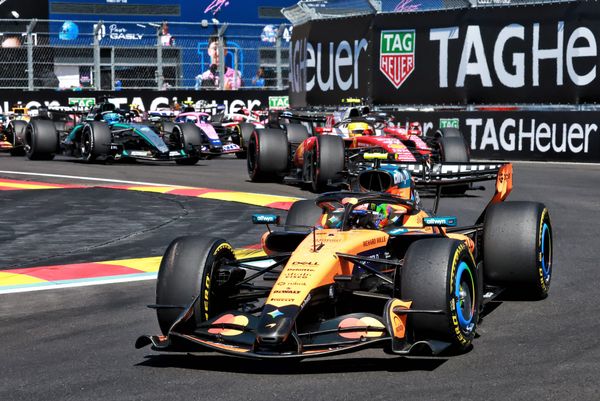
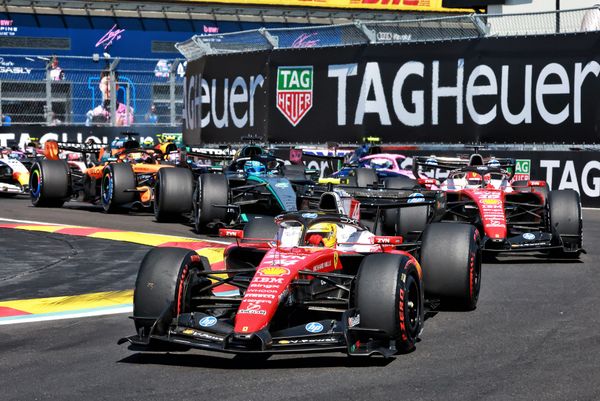
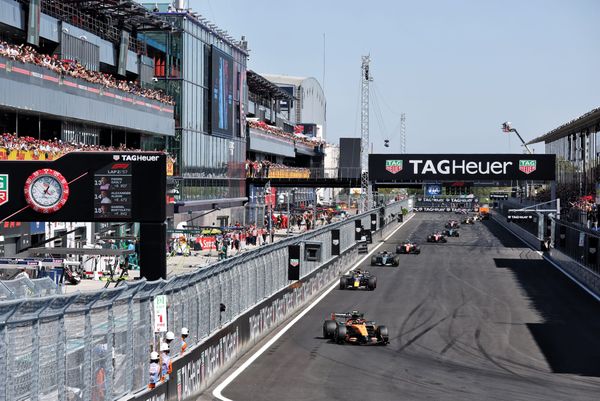
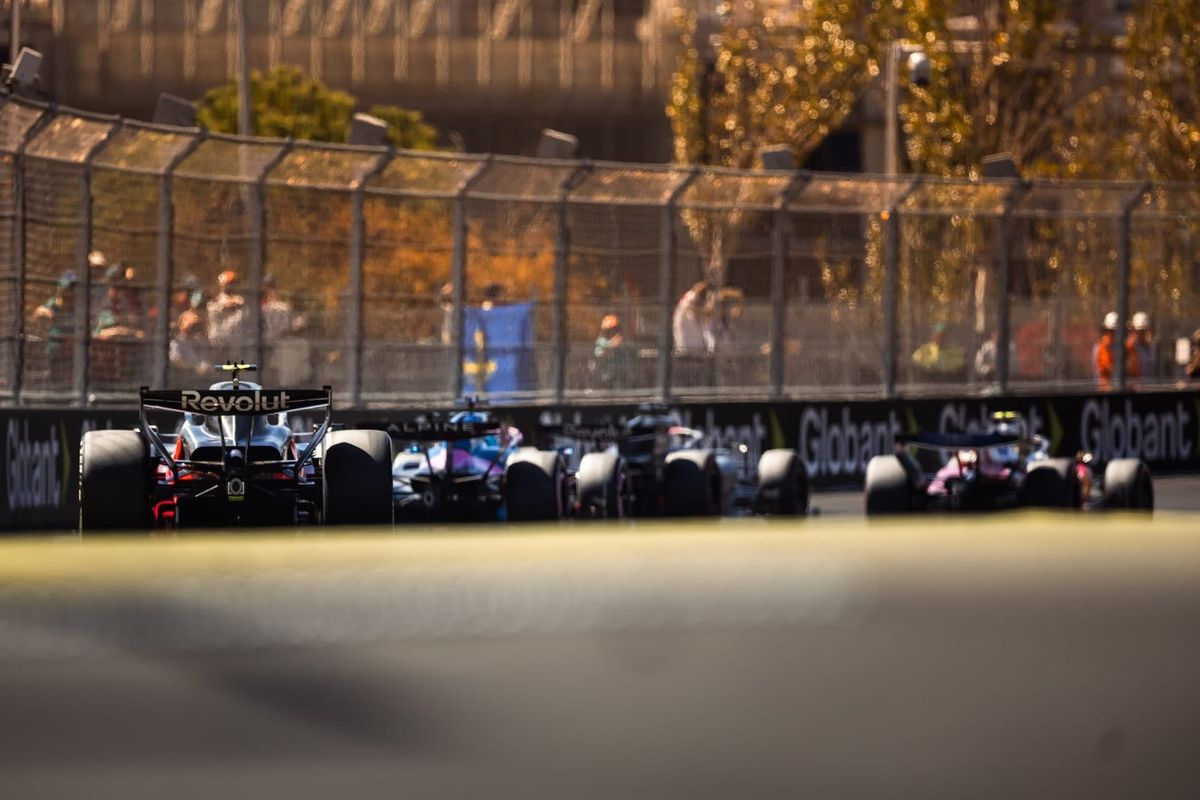
F1 drivers' worst fears were realised on Sunday when it proved ultra-difficult for cars to pass one another at the Madring, triggering a far-from-thrilling spectacle.
Not taking into account the first lap shuffling, there were hardly any overtakes at all.
While there is no official count made by F1 on the number of passes, everything points to it being the worst of the season when it comes to changes of position on track.
There are suggestions the number of passes was below even Monaco, where 10 in-race overtakes were completed.
The most notable ones were limited to Liam Lawson getting past Franco Colapinto and George Russell passing Lawson.
Although some of the stilted action was a consequence of a lack of tyre degradation on the hard compound, which meant there was not much offset strategy and performance from the rubber, the main reason for the lack of excitement was that the is no obvious overtaking spot.
For while the overall Madring layout, which included the banked La Monumental corner, was praised as being super-challenging for qualifying, the lack of passing places had been obvious in the build up to the race.
The most likely location to overtake, which was the Turn 5/6 chicane after the long run down from the opening sequence of corners, ended up being shaped in a way that deterred passing.
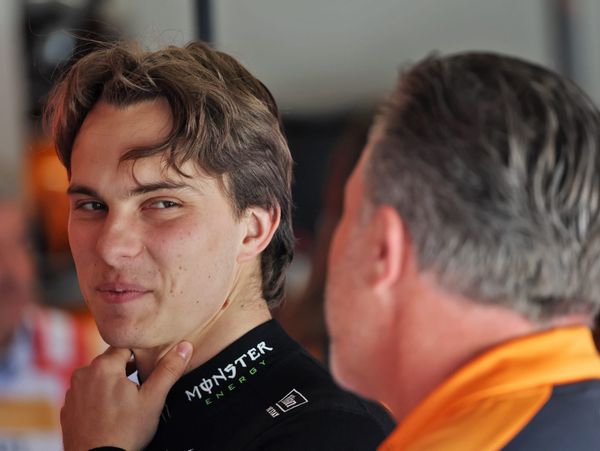
This was due to it having a tight entry which, as Haas driver Ollie Bearman said ahead of the weekend, meant that an overtake would never really be on.
"That kind of curved braking takes away any possibility of different lines and sending one up the inside," he said. "So that's a shame and maybe a bit of an oversight."
It is understood that this design had been settled on because of safety considerations regarding the speed and angle of approach of cars towards the tunnel section here.
The planned changes
Madring officials are not blind to the lack of action in the race, and The Race has learned that changes are planned in three areas for 2027 aimed at improving overtaking.
Discussions are now set to take place between the circuit and the FIA, drivers and teams over the next weeks about nailing the final details of the revisions, but they will be focused on three key areas of the track.
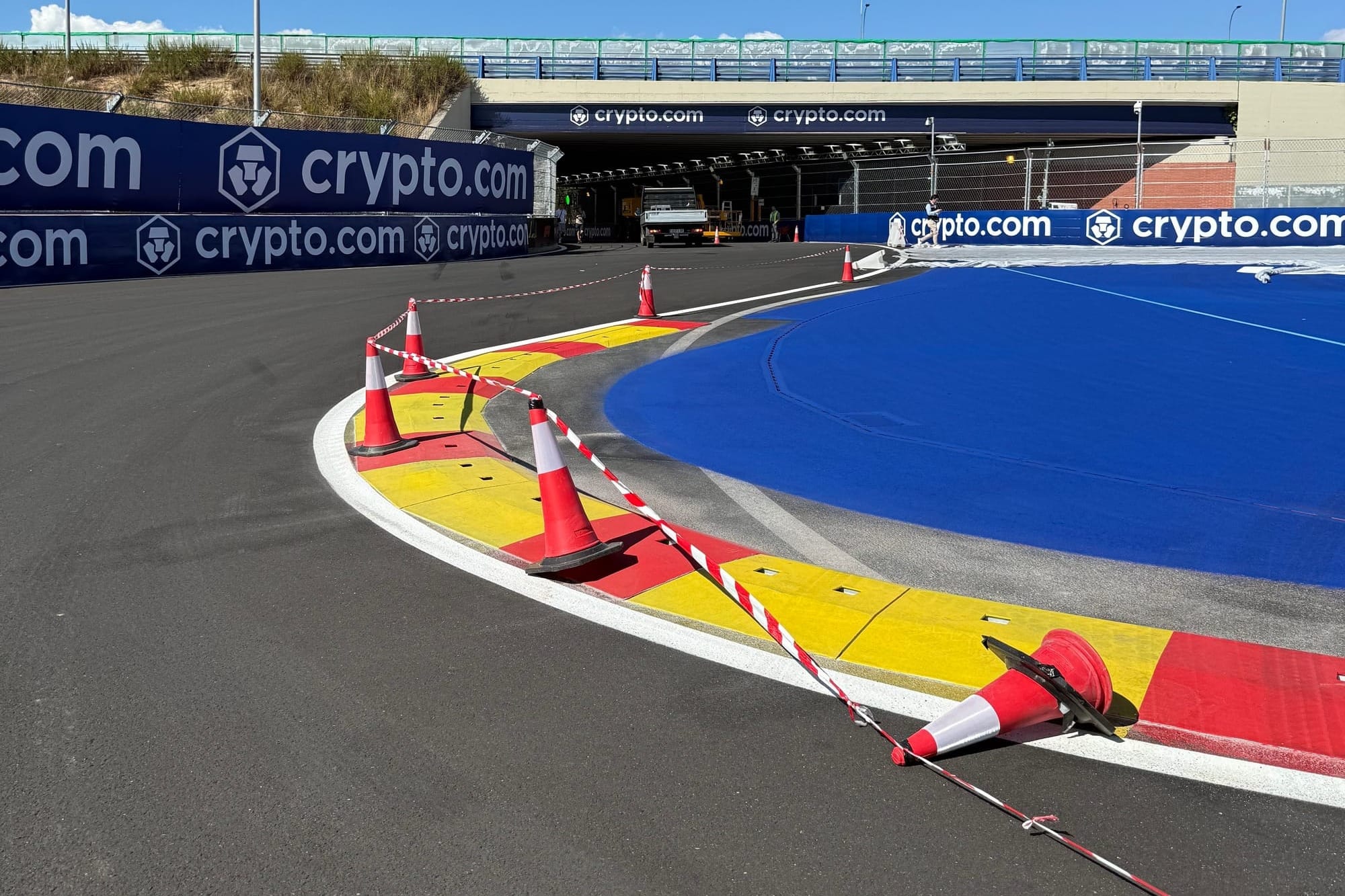
The first idea is to widen and alter the approach to the Turn 5/6 chicane, so it will better allow cars to contest positions there.
As was proven over the Madrid weekend, the curved entry and layout of the kerbing there meant that there was not enough room for two cars to go cleanly side-by-side there.
That meant it was easy to defend and the only real way to get through was to go super aggressive and risk pushing a rival off.
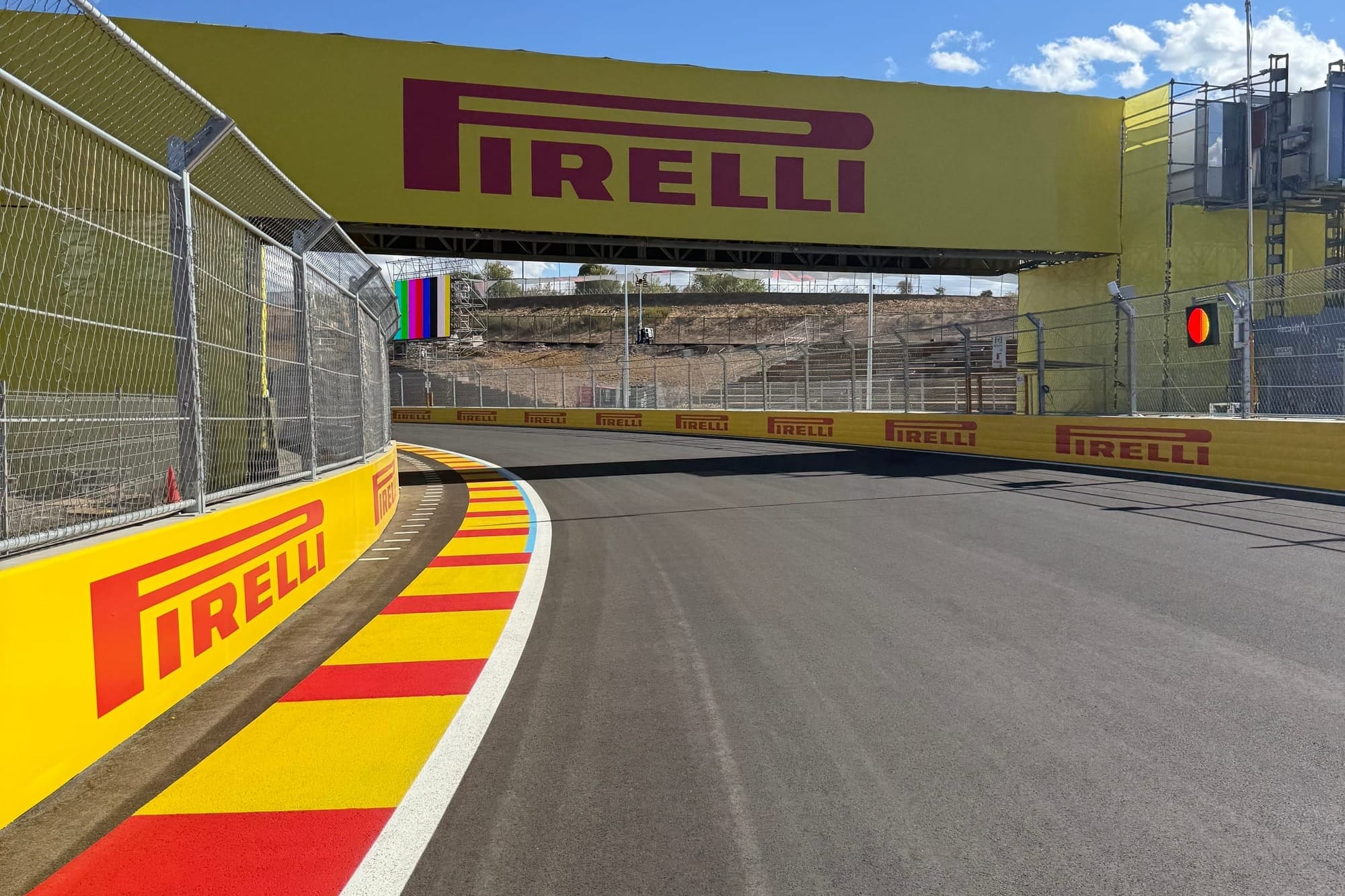
The second area being looked at is the profile of Turn 13, which is the left-hander straight after La Monumental.
This is currently a medium-speed corner, which does not have the level of braking that offers much chance for a car to make a move if they have picked up a tow through the banked corner.
This bend can be tightened a lot to allow cars to fight for position here.
The third area being looked at is widening the track around Turn 20.
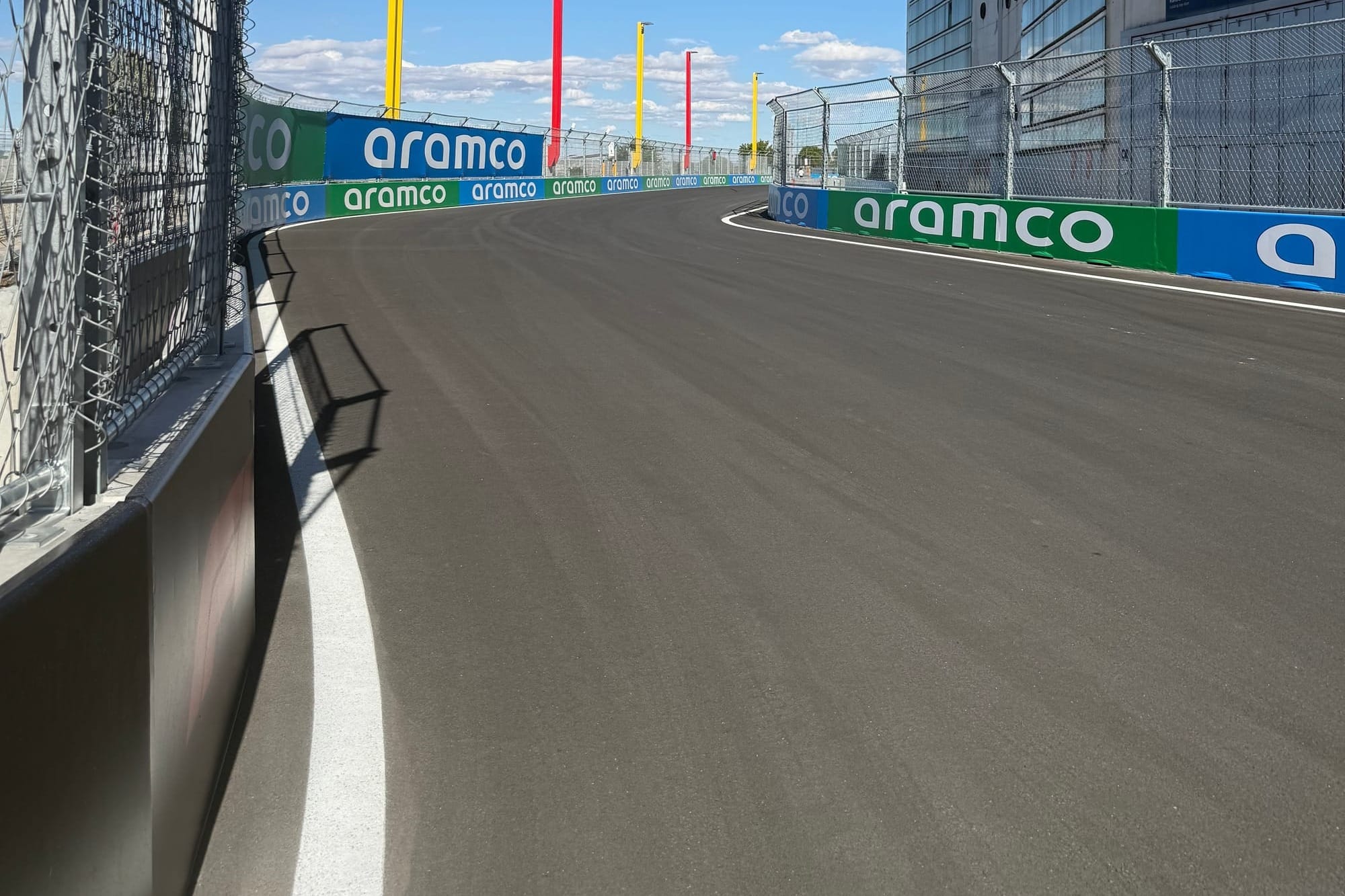
This is one of the tightest corners on the track with the barriers currently acting as a narrow pinch point.
The idea here will be to reprofile the entry and barrier alignment to allow cars to make a passing attempt without fear of not making the exit.
Approval complexities
The Race has learned that revisions in these three areas had already been proposed to the FIA ahead of this year's race because of concerns that passing would be too difficult.
However, due to the complexities involved in track simulations and the time it takes to go through homologation processes, it was decided that it would make more sense to wait until 2027 to do this.
The timetable to build the track was already quite tight, with work only having started in April 2025, and things had not been helped by a very wet winter in Madrid, which had delayed construction efforts.
It was agreed in the end that it was better to not risk homologation delays potentially hindering construction that would then open the door for much bigger issues if the track was not ready in time.
F1 tracks have to go through detailed approval processes with the FIA in order to be homologated, and Madrid faced extra challenges because those processes also involved local authorities.
Design decisions required dealing with public road changes, rail and aviation stakeholders, emergency officials plus water, draining and other environmental agencies.
The design of the Turn 5/6 chicane was also made more complicated by the tunnel on the exit, which restricts the angle of attack plus the speed at which cars can arrive due to the limited runoff area.
Small changes, significant difference
F1 drivers were in agreement after the race that the Madring circuit needed only one clear and obvious overtaking spot.
Ferrari driver Charles Leclerc reckoned that it would not take a lot of tweaking to make passing possible and therefore change the spectacle dramatically.
"It's a great track and honestly I think everybody did a great job with the track as it is, particularly in qualifying," he said.
"But in the race, there are some corners and it doesn't require a big change, I think just a small change or two small changes could change significantly the racing that we have."
The lessons that many of the drivers have learned in their careers is that a good street track only requires a single good overtaking spot to become a hit.
This is no better proved than at the Macau GP which, while featuring a tight and twisty city section where passing is difficult, has a long straight with a tight-but-wide-entry corner - Lisboa - where cars can pass.
Carlos Sainz, who plans to speak to the FIA about potential revisions to Madring, thought that lessons from Macau and the Azerbaijan GP should be taken on board.
"Good street tracks like Baku, Macau tend to have one single overtaking spot with a very long straight," he said.
"I think we just need to have a look where there's the possibility to add that overtaking spot and see if it's feasible."